Abstract
Over the past decade, the human umbilical cord has been recognized as a significant and ethical source of mesenchymal stem cells (MSCs), particularly Wharton’s jelly (WJ). WJ, as a connective tissue of the cord, possesses gelatinous uniformity and is being studied in regenerative medicine for certain modalities. This mucoid tissue provides a remarkable therapeutic potential through its extracellular matrix components, MSCs, and proteoglycans, while serving biochemical and protective functions during fetal development.
This review highlights the advancements in WJ’s biological structure and function, biomechanical characteristics, and regenerative capacities, with a special focus on WJ-acquired MSCs alongside their clinical translation. Current research reveals that WJ-MSCs may be used in clinical settings due to their high proliferation capacity, differentiation capabilities, and an immunomodulatory profile, compared to adult-tissue-derived stem cells. These properties make this tissue a good candidate for cell-based interventions.
Early lab and clinical studies suggest WJ-MSCs could help treat neurological, inflammatory, and degenerative diseases. However, the evidence is mixed and often limited by small sample sizes, varied isolation methods, and inconsistent characterization standards. Several major challenges limit their clinical use.
Biological differences between the cord and donors make it difficult to create standardized manufacturing methods. It is difficult to evaluate treatment outcomes because researchers are still unaware of how these cells function, integrate, or survive in the long term. Also, broader clinical use is still hampered by regulatory and GMP concerns, including increased production, quality assurance, and potency testing.
We need additional studies on how these cells function, standardized procedures for separation and characterization, and carefully planned clinical trials to get around these restrictions. Even though UC-derived MSCs-based treatments have a lot of clinical potential, their future success hinges on resolving these issues and generating solid, trustworthy evidence to guarantee safe and efficient treatments.
Biography
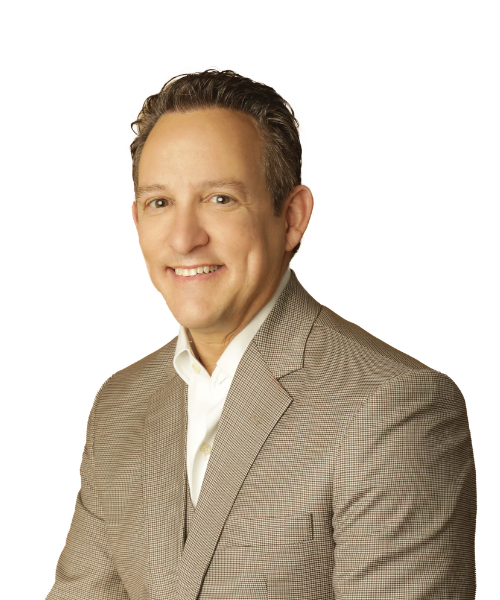
David Greene, MD, PhD, MBA is the Founder/CEO of R3 Stem Cell, which is the world’s largest provider of stem cell and exosome therapies. With over 28,000 stem cell procedures performed in the past decade, R3 has an 85% patient satisfaction rate. R3 has 80 Centers in 8 Countries, with a research team that has published a dozen peer-reviewed articles in the past 2 years.