Abstract
The enzyme myrosinase (thioglucoside glucohydrolase, TGG) catalyses the hydrolysis of a group of low-molecular-weight compounds known as glucosinolates (GSLs) [1]. In plants, this myrosinase–GSL bond is a chemical protection system against herbivores and pathogens. Myrosinase is localised in myrosin cells, which are mostly found peripherally in phloem tissue [1]. Myrosinases and their substrates, GSLs, are spatially stored in myrosin cells and sulphur-rich cells (S-cells), respectively. Usually, myrosin cells are scattered between parenchyma cells and S-cells [2]. Tropaeolum majus L., the nasturtium (Tropaeolaceae family, order Brassicales) is a plant containing a variety of macro- and microelements and biologically active compounds, such as polyphenols, anthocyanins, natural pigments and ascorbic acid [3,4].
The presence, localisation and expression of the enzyme myrosinase type 1 (TGG1) at different developmental stages of T. majus (nasturtium) can be investigated using immunohistochemical and immunofluorescent techniques. During plant development, within four consecutive weeks, the expression of myrosinase was detected in the vegetative organs of T. majus. The root is shown to be the place of greater myrosinase accumulation and activity, contrary to the nasturtium stem and leaf, whit the lowest myrosinase expression. Myrosinase type 1 expression decreases with the growth and ageing of the plant. The ultrastructure of nasturtium myrosin cells has revealed their rectangular shape, dominant large central vacuole, some smaller vacuoles in the periphery and an expanded rough endoplasmic reticulum [5].
Beneficial biological effects of T. majus are related to the enzymatic activity of myrosinase. Thanks to the GSL–myrosinase system and the formation of GSL degradation products T. majus has a potential practical application in medicine and various industries (food industry, agro-industry, pharmaceutical industry).
Biography
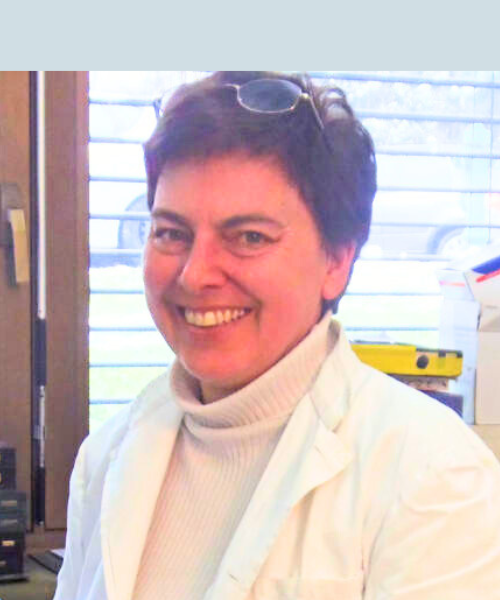
Ivana Restović, PhD is working as an Assistant Professor at the Faculty of Social Sciences and Humanities, University of Split, Croatia at the Teacher Education Department. She graduated at the Faculty of Sciences in Split, studying Group Biology and Chemistry. Master of Science and PhD she gathered at the Medical School in Split, at the postgraduate studies “Basic and clinical medical sciences” and Translational Research in Biomedicine and Health (TRIBE). She is a Head of the Centre for Transdisciplinary Promotion of the Sustainable Development – OdRaST and Chairman of the Committee for Monitoring the Activities of Sustainable Development Goal 13 Climate change at the University of Split, Croatia. Her fields of interest are Environmental Education and Education for the Sustainability in modern society as well as microscopy and immunohistochemistry. She has published more than 20 papers in reputed journals and actively participates in the popularization of science.