Abstract
Induced human extended pluripotent stem cells (hEPSC) have been injected into monkey blastocysts to create chimeric embryos. Chimera research is a scientific technique which seeks to develop human organs for transplantation, but it has raised concerns regarding human cells contributing to the brain formation of nonhuman animals. This article considered whether brain development should guide ethical considerations on chimera research by investigating the morality of terminating live anencephalic infants to procure their organs. It found that identifying the presence or absence of a human biological developmental programme helps to determine the correct ethics of chimera research, and that experimentation with this programme should be prohibited. However, the formation of chimeric embryos with induced hEPSC does not experiment with a human biological developmental programme. This determination was made after investigating the developmental potential of synthetic embryos created with induced pluripotent stem cells. Based upon these findings, this article cautiously recommends that chimera research only be permitted to continue with induced hEPSC.
Biography
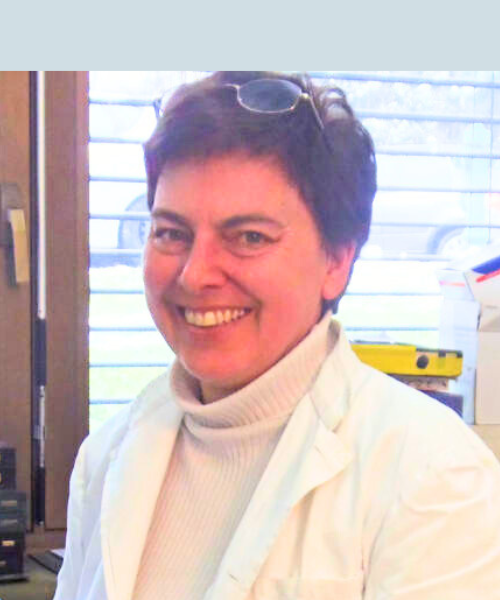
Francis O’Keeffe is an Associate Lectuer at the University of Notre Dame Australia (Sydney). He is nearing the completion of his PhD which assesses the biological and ethical reasons for permitting human embryo experimentation up to the fourteenth day of embryogenesis. He has published papers on monozygotic twinning, the duration of totipotency, and embryo fusion. His recent publication which investigates the morality of interspecies chimera research is his latest contribution to the field of human embryo ethics.