High cholesterol is a major global health concern and a significant risk factor for cardiovascular disease. Dietary interventions, including intermittent fasting (IF), have been shown to improve lipid profiles; however, individual responses vary considerably. This study aims to apply machine learning techniques to predict cholesterol response in women undergoing different dietary interventions and to support personalized treatment strategies.
A dataset of 284 women participating in seven dietary interventions, including intermittent fasting and continuous energy restriction, was analyzed over a 12-week period. Twelve clinical features were used as predictors. Cholesterol response was assessed using four lipid-related measures, which were combined into a global outcome score representing overall improvement.
Three machine learning models—J48 decision tree, Logistic Model Tree (LMT), and Random Forest—were trained and evaluated using 10-fold cross-validation. The models achieved an accuracy of approximately 81%, with balanced sensitivity and specificity (0.80) and an F1-score of 0.84. Interpretable models, particularly decision trees, provided insights into key factors influencing cholesterol improvement.
The results demonstrate the potential of machine learning to predict individual responses to dietary interventions and support personalized cholesterol management. Further validation on larger and more diverse populations is required before clinical implementation.

Machine Learning Prediction of Cholesterol Response to Dietary Interventions and Intermittent Fasting in Women: A 12-Week Comparative Analysis
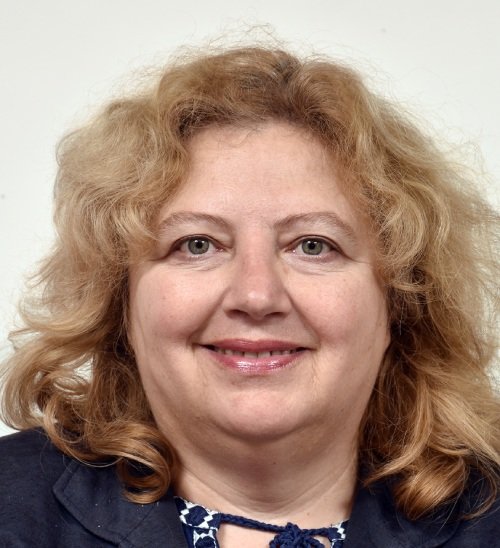
Shula Shazman
Speakers
Day 1