Dr. David Mack is a Professor in the Departments of Rehabilitation Medicine, Bioengineering and Neurobiology & Biophysics, as well as an investigator in the Institute for Stem Cell and Regenerative Medicine (ISCRM) at the University of Washington. David has a longstanding interest in how stem cells differentiate into the roughly 200 specialized cell types during embryonic development by executing their intrinsic genetic program while integrating cues from their surrounding microenvironment. His expertise is rooted at the intersection of genetics, embryology, cancer biology, biomaterials and regenerative medicine. David received a Ph.D. in molecular genetics from the Indiana University School of Medicine studying the chromosomal translocation that causes one form of chronic myelogenous leukemia. Then completed a postdoctoral fellowship at the National Cancer Institute in Bethesda, MD where he investigated the role of stem cells in mammary gland development and how dysregulation leads to breast cancer. David’s career took a new direction when he switched from cancer research to the field of regenerative medicine by accepting a senior postdoc/junior faculty position at the Wake Forest Institute for Regenerative Medicine in Winston-Salem, NC. In late 2012, David established his own laboratory at UW Medicine/ISCRM with the goals of expanding our understanding of fundamental muscle and neural biology, to identify the molecular drivers of pathology in various neuromuscular diseases (NMDs) and to develop therapeutic interventions that fix the root cause of the disease. The lab is focused on two primary areas: 1) Creation and testing of AAV-mediated gene transfer and CRISPR gene-editing strategies in small and large animal models and 2) Generation of induced pluripotent stem cell-based ‘disease-in-a-dish’ models starting from patient-derived and CRISPR-edited stem cells. My lab has pioneered methods to differentiate stem cells into cardiac and skeletal muscle as well as motor neurons to recreate NMDs and to build 3D tissues for disease modeling and drug discovery.
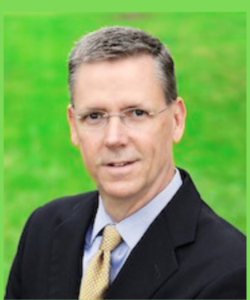 USA
USA
David L. Mack
University of Washington Medicine
Committee Member