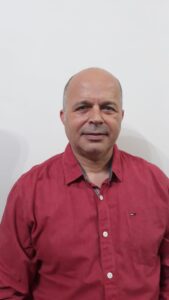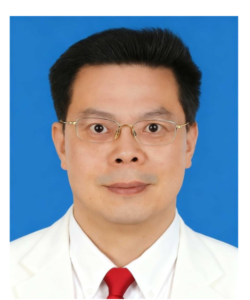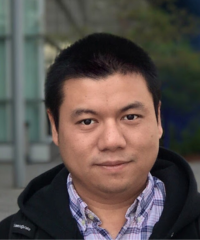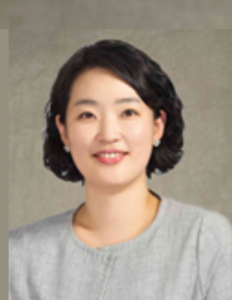
Professor Qingle Liang is a distinguished Doctor of Engineering and serves as a Senior Visiting Scholar at the National University of Singapore, while conducting advanced research at Chongqing University. With extensive expertise in biomedical engineering, molecular medicine, and translational oncology, he has established a strong international reputation for his pioneering contributions to stem cell therapeutics, tumor-targeted therapy, extracellular vesicle diagnostics, and gene-editing–based cancer treatment strategies. His research focuses on the treatment and regulation of human embryonic stem cells (hESCs) and induced pluripotent stem cells (iPSCs), exploring mechanisms of pluripotency maintenance, lineage differentiation, and cellular microenvironment interactions to enhance the safety, stability, and clinical translation of stem cell–based therapies.
Professor Liang has made significant advances in precision oncology by developing highly selective tumor-targeted therapeutic systems that integrate nanotechnology, molecular targeting strategies, and engineered delivery platforms to maximize therapeutic efficacy while minimizing systemic toxicity. He is also widely recognized for his innovative work on the precise detection and functional analysis of extracellular vesicles (EVs), creating ultrasensitive biosensing technologies for tumor-derived vesicles that enable early cancer diagnosis, real-time therapeutic monitoring, and improved prognostic evaluation. In addition, his research actively explores the application of gene editing technologies, including CRISPR-based systems, in tumor treatment and molecular diagnostics, aiming to correct oncogenic mutations and regulate tumor-related signaling pathways through advanced delivery approaches. His influential work has been published in leading international journals such as Nature Biomedical Engineering, Nature Communications, Nature Protocols, Nucleic Acids Research, Signal Transduction and Targeted Therapy, Journal of Extracellular Vesicles, and Biosensors and Bioelectronics, reflecting the global recognition and high impact of his scientific contributions.