
Conference Details
Date
November 17-19, 2025
Venue
Milan, Italy
November 17-19, 2025
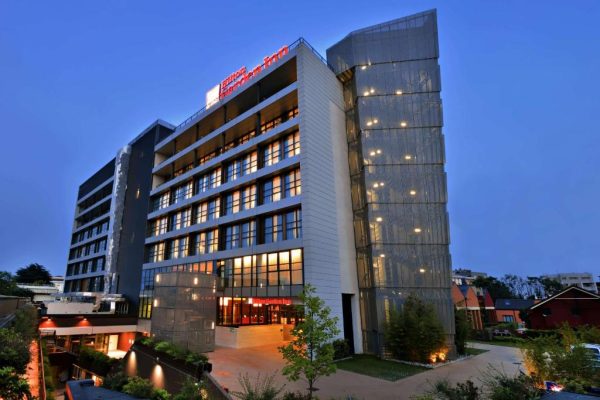
Hilton Garden Inn Milan North, Milan, Italy
November 17-19, 2025
Milan, Italy


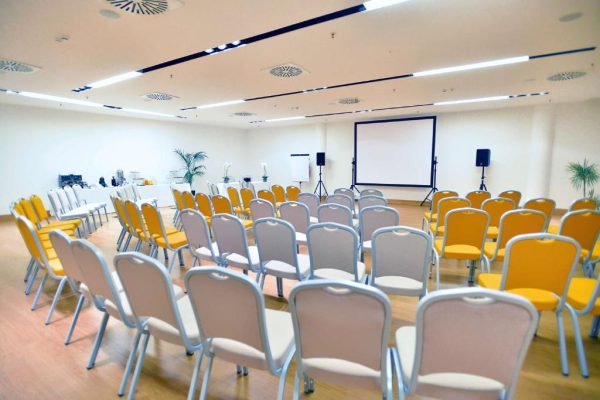
Cognition Conferences cordially invites you to join us at the upcoming Environmental Science Conference set to take place in the enchanting city of Hilton Garden Inn Milan North, Milan, Italy, from November 17th to 19th, 2025. The conference theme, “Advancing Sustainability through Innovations for a Greener Tomorrow,” promises three days of insightful discussions. Featuring over 30 scientific sessions, our environmental conference aims to convene key stakeholders from the environmental science community and related fields. Our goal is to establish this event as a premier platform for global participants seeking to share, exchange, and explore new avenues in environmental science and engineering. Attendees will include a diverse range of stakeholders, researchers, academia, and industry professionals. Our comprehensive scientific program will include keynote lectures, oral sessions, and poster presentations for emerging scientists, covering a wide spectrum of topics in environmental science and engineering.
Cognition Conferences provides a forum for researchers to disseminate their findings, visions, and strategies to the conference audience, fostering collective responsibility for a brighter, more sustainable world.
Name: Tomohisa okamura
Country: Japan
Abstract Aging is accompanied by a diminished immune capacity to defend against infections and a…
Name : Tomohisa okamura
University :
Country : Japan
Abstract
Aging is accompanied by a diminished immune capacity to defend against infections and a chronic, low-grade inflammatory state known as immunosenescence, which promotes autoantibody production. In addition to its impact on infection susceptibility, aging is also recognized as an environmental risk factor for various autoimmune diseases. Among them, systemic lupus erythematosus (SLE)—a prototypic autoimmune disease characterized by diverse autoantibody production and systemic inflammation—shows an association with aging. However, the mechanisms by which aging contributes to its pathogenesis remain unclear. Our laboratory identified a novel CD4+ T cell subset linked to aging and autoimmunity, including SLE, using flow cytometry and RNA sequencing of over 400 healthy individuals and patients with autoimmune diseases. We designated this subset as “ThA (Age-associated helper T) cells” (Science Immunology, 2024). ThA cells are CXCR3midCD4+ T cells with a unique chemokine receptor profile distinct from other Th subsets and are regulated by the transcription factor ZEB2. They exhibit cytotoxic activity and B cell helper function while being CXCR5-negative, suggesting a central role in extrafollicular humoral immune responses that are closely associated with autoantibody production. Intriguingly, integrated analysis of gene expression data from various CD4+ T cell subsets and clinical information in SLE patients revealed that the gene expression changes in ThA cells most strongly reflect SLE disease activity. In this session, I will present recent findings on ThA cells, which increase with aging and contribute to the pathogenesis of autoimmune diseases, along with future perspectives.
Name: Aslı Balevi
Country: Turkey
Abstract The development of innovative vaccine technologies has been a turning point in preventive and…
Name : Aslı Balevi
University :
Country : Turkey
Abstract
The development of innovative vaccine technologies has been a turning point in preventive and therapeutic medicine. Unlike traditional vaccines based on attenuated or inactivated pathogens, new platforms are designed to address more complex health challenges, including persistent infections, malignancies, and immune-mediated disorders. These approaches have been driven by the need to improve safety, minimize adverse reactions, and expand vaccination coverage beyond acute infectious diseases. One of the most significant catalysts for this rapid transformation has been the emergence of global health emergencies, particularly the COVID-19 pandemic. The unprecedented urgency of this crisis has accelerated the transition of third-generation vaccines, such as messenger RNA, DNA, and viral vector platforms, from experimental concepts to large-scale human applications. Their rapid design, adaptability, and synthetic manufacturing processes have enabled rapid responses to evolving viral threats, demonstrating the potential of these technologies to reshape future vaccination strategies.Despite these advances, significant challenges remain. Issues such as the durability of immune protection, susceptibility to antigenic variation, cold chain requirements, and equitable global access continue to limit widespread implementation. Moreover, the novelty of these platforms raises questions about long-term safety, regulatory compliance, and public acceptance. Addressing these barriers will require coordinated scientific innovation, adaptable clinical research frameworks, and international collaboration to ensure the benefits of next-generation vaccines are realized globally. Ultimately, the integration of these technologies into sustainable health systems presents an opportunity not only to strengthen pandemic preparedness but also to expand the role of vaccines in combating chronic and emerging diseases.
Name: Nagalambika Prasad
Country: India
Abstract According to Glaeser et al. (2013), Fictibacillus sp. is a recently discovered genus that…
Name : Nagalambika Prasad
University :
Country : India
Abstract
According to Glaeser et al. (2013), Fictibacillus sp. is a recently discovered genus that was isolated from bioreactor wastewater and had a high capacity for phosphorus recovery. Finding novel extracellular or intracellular bioactive compounds could completely change how we address environmental contamination brought on by contaminants like heavy metals, PAHs, and petroleum products. Furthermore, these compounds can be utilized to create novel antibiotics to counteract the escalating problem of antimicrobial resistance (AMR), a significant medical worry. Biosurfactants are surface-active compounds with amphiphilic structures, comprising hydrophilic (e.g., amino acids, proteins, carbohydrates) and hydrophobic (e.g., long-chain fatty acids) domains. These versatile compounds are classified based on their physicochemical structure, mode of action, and molecular weight. Bio surfactants, produced by microorganisms, have made a significant impact in the biotechnology field. Due to their eco-friendly and biodegradable properties, biosurfactants have applications across diverse sectors, including pharmaceuticals, food, agriculture, cosmeceuticals, and environmental remediation.Initial screening of Fictibacillus sp. from Cynodon rhizosphere confirmed biosurfactant synthesis, verified by multiple techniques. These biosurfactants possess properties with transformative potential across industries. Their antibacterial qualities could form the basis for new pharmaceuticals and preservation methods, while in agriculture, they may act as plant growth promoters and biodegradable insect control agents. Their emulsifying properties also offer solutions for bioremediation of hydrocarbon-contaminated environments.This study comprehensively characterizes isolated biosurfactant’s structural novelty using analytical techniques such as TLC, HPLC, MALDI TOF MS/MS, GC-MS, 1H NMR, and 13CNMR. Simultaneously, we exploring its applications as a topical agent against P. acnes and as a solubility and bioavailability enhancer for poorly soluble antifungal and anticancer agents.We initiated vitro solubility tests through turbidimetric method and are now conducting more detailed assessments, including determining zeta potential, particle size of biosurfactant-drug formulations, and HPLC-mediated drug concentration.We are aiming to test in vivo ADME evaluation of these formulations, aiming to create versatile, sustainable solutions for industrial, environmental, and health applications.
Name: Syeda Zakia Hossain
Country: Australia
Abstract Since the 2007-2009 HPV Vaccination Catch-up Program, there have been limited studies that investigate…
Name : Syeda Zakia Hossain
University :
Country : Australia
Abstract
Since the 2007-2009 HPV Vaccination Catch-up Program, there have been limited studies that investigate young women’s understandings towards cervical cancer and HPV vaccination. This study aims to investigate the extent and differences in knowledge, attitudes, and beliefs of young women aged 18 to 29 years old in Australia on cervical cancer and HPV vaccination. This cross- sectional study utilised quantitative research design. Data was collected on participants’ socio- demographic background, knowledge, attitudes, and perceptions towards cervical cancer and HPV vaccination via an online survey. A total 243 responses were analysed using SPSS. Over half of the participants were in the 20-24 year old age group (54.1%), university-educated (50.8%), and were born in Australia (66.7%). The participants had a moderate understanding of the topic. Migrant young women demonstrated higher knowledge of the risk factors of cervical cancer (p=0.026). Non-Australian ethnic women (p=0.030) and those with parents’ born overseas (p=0.007) had stronger associations with the attitude that cervical cancer is linked with sexual promiscuity. Significant associations were found between Australian ethnic women (p=<0.001) with bad luck, and migrant women (p=0.038) with an unhealthy lifestyle as causes of cervical cancer. The internet was listed as the main source of cervical cancer and HPV-related information. Findings of the study suggest that a targeted education program should be directed to the young women with misconceived notions and conservative views on cervical cancer and HPV vaccination to improve their knowledge and vaccination participation rates in the future.









Kaupmehe tn 7-120, Kesklinna district, Tallinn city, Harju county 10114, Estonia, VAT: EE102850103
+442045718752
contact@cognitionconference.co.uk

We at Cognition Conferences built an ecosystem that brings the Scholars, people in the scientific study & research, knowledge group of the society, the students, learners and more on a common ground – to share their knowledge, on the scientific progress that brings along the benefits to humanity and to our existence itself.



Explore the Upcoming Conference