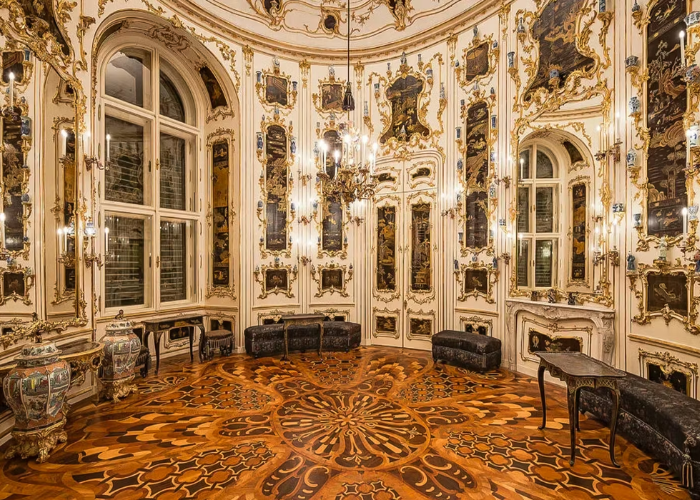
About Vienna, Austria
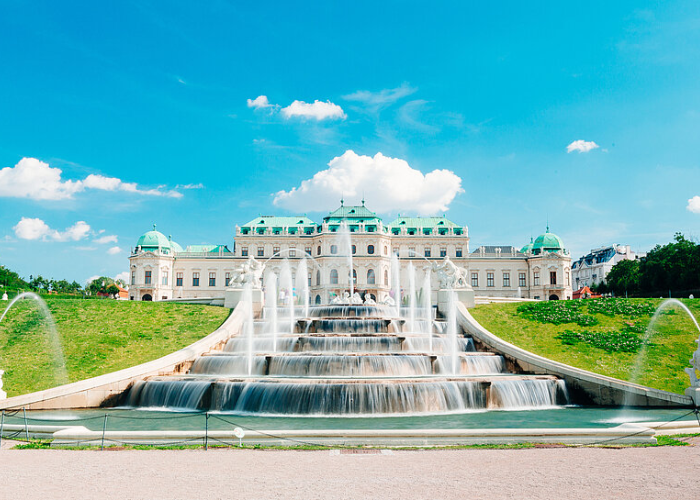
Vienna, the capital of Austria, is one of Europe’s most elegant and intellectually vibrant cities, internationally recognized for its excellence in environmental science, sustainability research, urban development, and policy innovation. As a major global center for academic research, international organizations, and sustainable governance, Vienna attracts researchers, policymakers, industry professionals, and academicians from across the world. The city seamlessly blends imperial heritage with modern infrastructure, making it an ideal destination for hosting international scientific and sustainability-focused conferences. Its strong commitment to environmental protection, circular economy principles, and climate action aligns closely with the objectives of global conferences on sustainable waste management and resource innovation. During the conference dates in July, Vienna experiences pleasant summer weather, with average temperatures ranging between eighteen degrees Celsius and twenty-five degrees Celsius. The warm climate and extended daylight hours create a comfortable and inviting environment for scientific sessions, professional networking, and outdoor exploration.
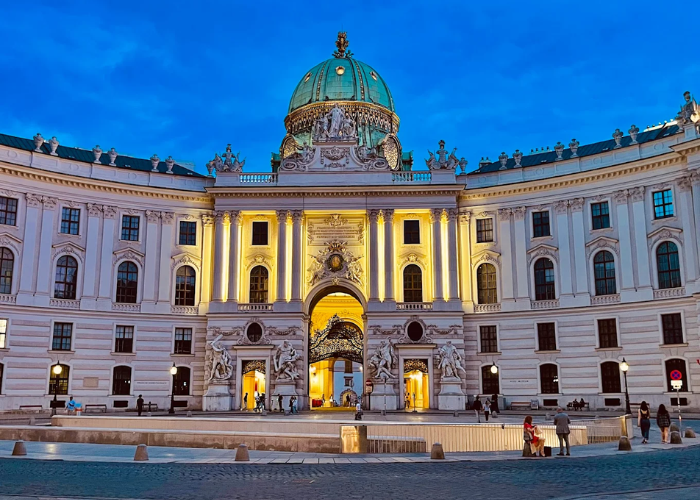
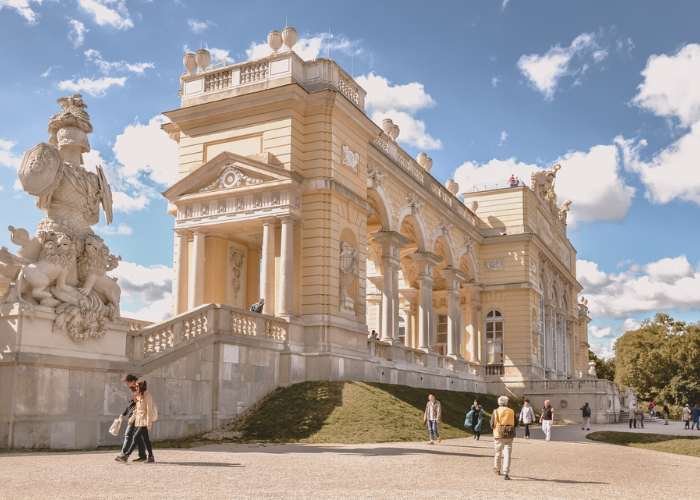
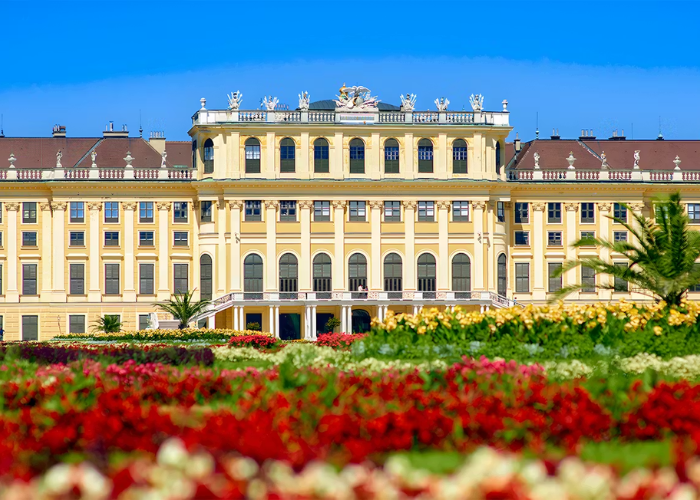
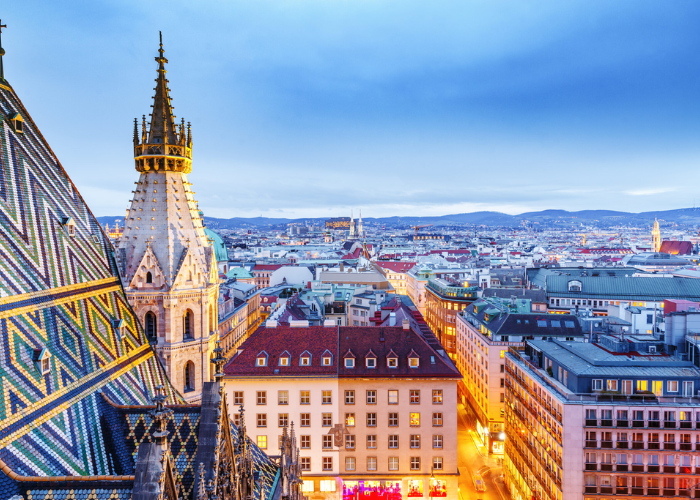
Vienna is home to several prestigious universities and research institutions, including the University of Vienna, Vienna University of Technology (TU Wien), BOKU University of Natural Resources and Life Sciences, and leading environmental and sustainability research centers. These institutions play a vital role in advancing research in waste management, environmental engineering, circular economy systems, and sustainable urban development. Vienna’s strong academic and policy-driven ecosystem provides an inspiring setting for interdisciplinary dialogue, knowledge exchange, and international collaboration during global conferences. In addition to its academic strengths, Vienna offers a rich cultural and historical experience. Delegates can explore iconic landmarks such as Schönbrunn Palace, St. Stephen’s Cathedral, the Hofburg Palace, and the Vienna State Opera. The city’s historic districts, classical music heritage, museums, art galleries, and traditional Viennese cuisine add exceptional cultural value to the conference experience, allowing participants to relax, connect, and engage beyond the scientific program.
Vienna is one of the most accessible and well-connected cities in Europe for international travel. The city is served by Vienna International Airport, offering direct flights to major destinations across Europe, Asia, the Middle East, Africa, and the Americas. The airport is efficiently connected to the city center through express trains, suburban rail services, buses, taxis, and ride-sharing options, ensuring smooth arrival and departure for international delegates. Local transportation in Vienna is highly efficient, affordable, and user-friendly. The city’s comprehensive public transportation network includes underground lines (U-Bahn), trams, buses, and suburban trains, providing convenient access to conference venues, hotels, academic institutions, and major attractions. Cycling infrastructure and pedestrian-friendly streets further support sustainable and flexible mobility for delegates.
With modern conference facilities, a strong focus on sustainability, excellent global connectivity, and a safe and welcoming international environment, Vienna ensures a seamless and enriching experience for conference participants. Attending a conference in Vienna offers more than professional and academic engagement; it provides a memorable journey that combines scientific exchange, policy dialogue, cultural exploration, and personal enrichment in one of Europe’s most livable and environmentally progressive cities.