
Conference Details
Date
November 17-19, 2025
Venue
Milan, Italy
November 17-19, 2025
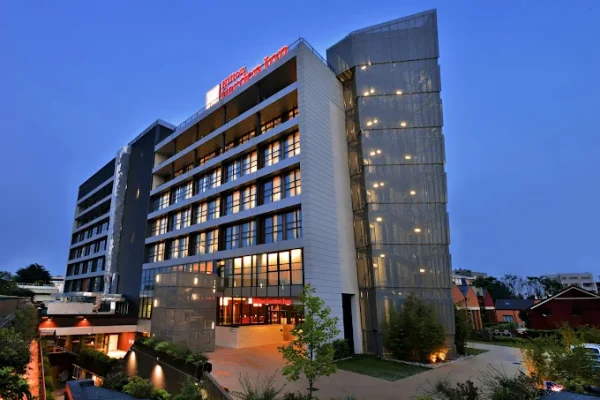
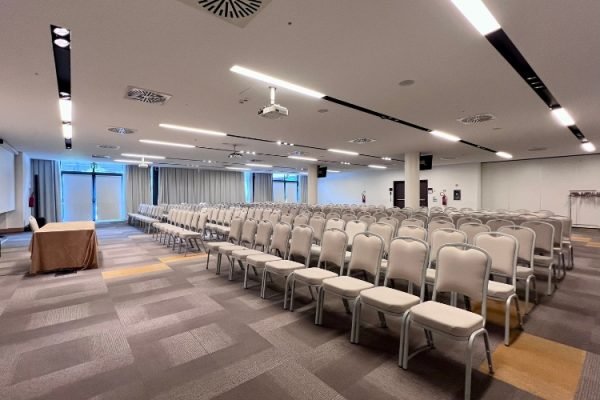
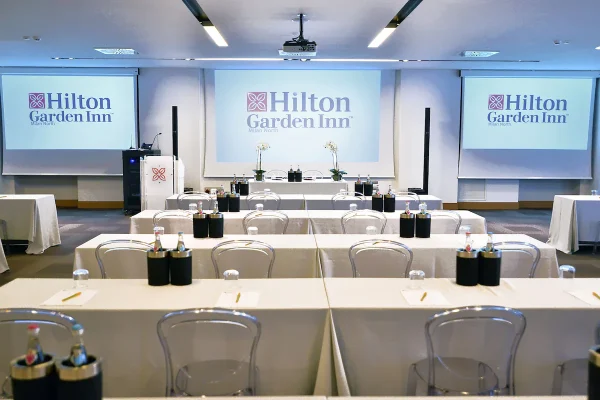
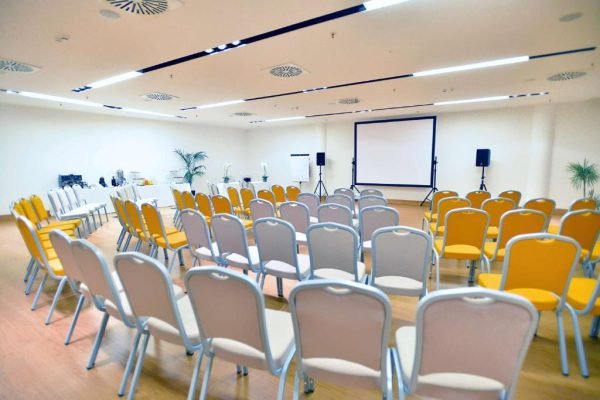
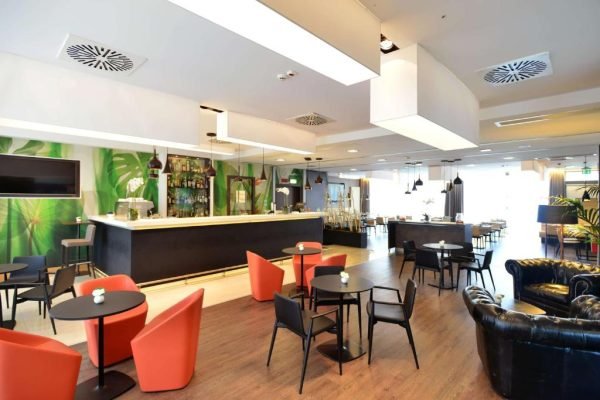
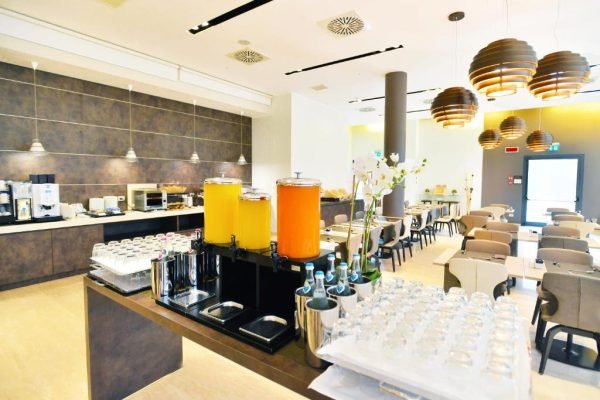
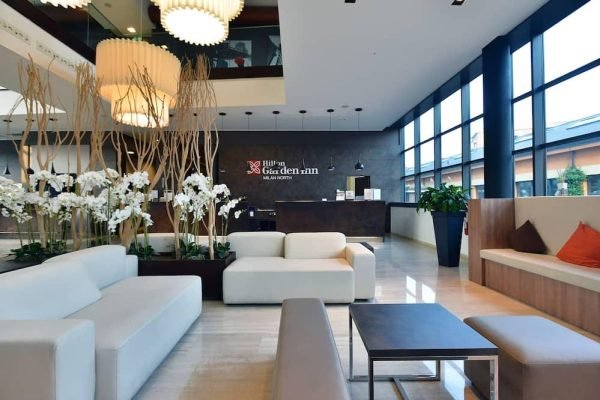
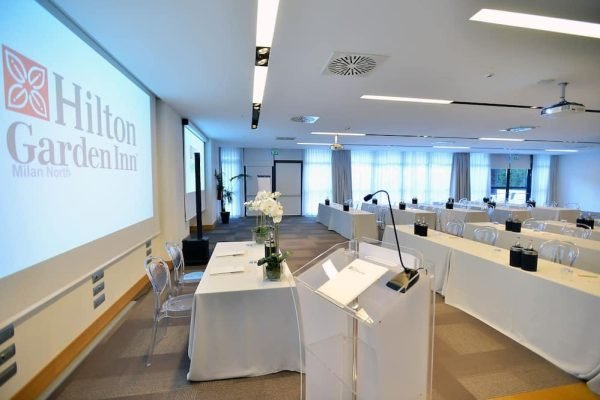
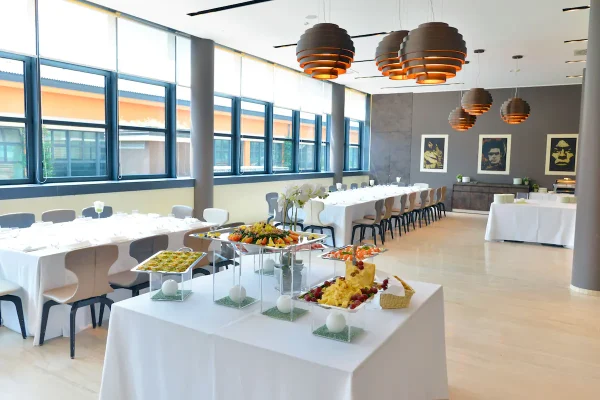
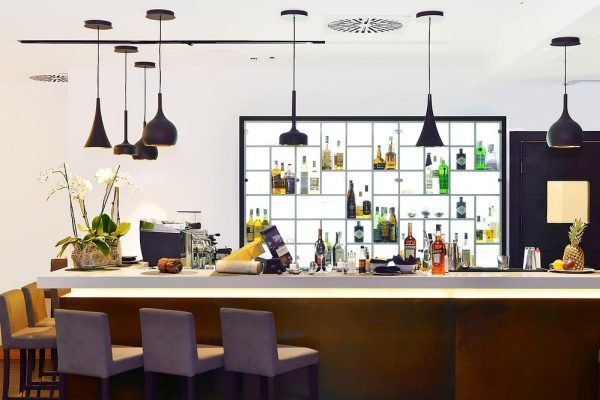
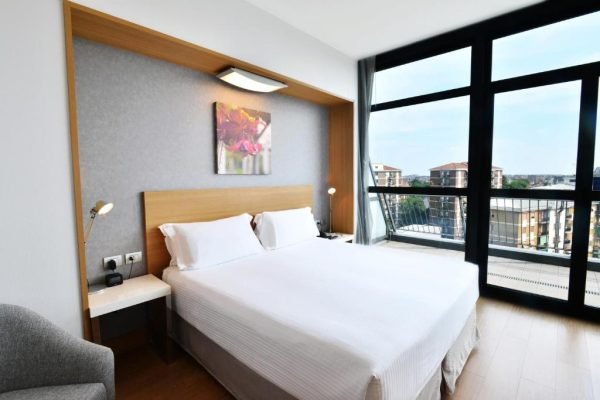
Hilton Garden Inn Milan North, Milan, Italy
November 17-19, 2025
Milan, Italy


Cognition Conferences is delighted to extend a cordial invitation to participate in the forthcoming 2nd International Conference on Traditional & Alternative Medicine, scheduled to take place in the enchanting city of Hilton Garden Inn Milan North, Milan, Italy, from November 17th to 19th, 2025. Under the theme “Integrating Traditional Wisdom with Modern Medicine for Holistic Health,” this conference aims to provide a comprehensive platform for all stakeholders interested in the convergence of traditional and alternative medicine. We welcome Healthcare Experts, natural medicine practitioners, natural therapists, Ayurveda specialists, acupuncturists, and traditional medicine specialists and Practitioners to join us in enriching discussions and knowledge exchange. The conference program will encompass a wide array of activities, including keynote presentations, oral presentations, plenary talks, young research forums, poster presentations, student forums, technical workshops, symposia, start-up opportunities, and engaging “meet the professors” sessions.
Name: Marcela N. Garcia
Country: Argentina
Abstract In recent years, mesenchymal stem cells (MSCs) derived from umbilical cord Wharton's jelly (ucMSCs)…
Name : Marcela N. Garcia
University :
Country : Argentina
Abstract
In recent years, mesenchymal stem cells (MSCs) derived from umbilical cord Wharton’s jelly (ucMSCs) have gained much attention in regenerative medicine. Multiple papers have described their high differentiation potential, as well as their important immunomodulatory effects. Umbilical cords (UC) offer an extensive source of ucMSCs for clinical applications, with the same benefits as other MSCs used in autologous cell therapies. In addition, they have the advantage that their procurement does not involve any risk, as UC are usually discarded after birth. Considering that wound healing after skin injury is a complex process and conventional treatments are not effective enough in several types of injuries that are widespread worldwide, we have developed a new therapy, especially for chronic venous ulcers (CVU), which consists on the allogeneic application of a specific ucMSC-derived cell line. We have characterized this cell line through numerous in vitro assays to advance the necessary knowledge for this type of cell therapy. Then, we carried out pre-clinical trials in mice to analyze graft acceptance after allogeneic cell transplantation. Based on the good results, we developed an equine ucMSC-derived cell line, to initiate the first clinical trials in equines. Our results showed that human and equine cell lines can be applied allogeneically for successful healing by creating a tolerogenic environment by expressing key immune checkpoints. In the murine pre-clinical trial, we observed that the cells reduced healing time by 50%. In the equine clinical trial, injection of equine ucMSCs into severe leg lesions improved the closure time and the quality of the regenerated tissues involved, without exuberant fibrous scar formation. All of the above leads us to conclude that both, human and equine cell lines, represent an important advance for the future cell therapies in regenerative medicine.
Name: Gemma Arderiu
Country: Spain
Abstract Adipose-derived stem cells (ASCs) are a cornerstone of regenerative medicine due to their multipotency,…
Name : Gemma Arderiu
University :
Country : Spain
Abstract
Adipose-derived stem cells (ASCs) are a cornerstone of regenerative medicine due to their multipotency, ease of isolation, and ability to differentiate into various cell types, including endothelial cells (ECs). ASCs can be harvested from different fat depots, such as subcutaneous, visceral, and perivascular adipose tissue, each exhibiting unique biological properties and differentiation potentials. These depot-specific differences influence their ability to differentiate into ECs and contribute to angiogenesis, the process of forming new blood vessels, which is critical for tissue repair and regeneration in conditions like ischemic diseases, chronic wounds, and tissue engineering. MicroRNAs (miRNAs), small non-coding RNAs that regulate gene expression, play a central role in directing ASC differentiation into ECs and modulating angiogenic processes. Specific miRNAs, such as miR-126, miR-145, miR-210, and miR-424, have been identified as key regulators of endothelial differentiation by targeting signaling pathways like VEGF, PI3K/Akt, and Notch. These miRNAs promote the expression of endothelial-specific markers, such as CD144, CD31 and von Willebrand factor, while enhancing EC functionality, including proliferation, migration, and tube formation. Interestingly, the miRNA expression profiles and angiogenic potential of ASCs vary depending on their fat depot origin, with subcutaneous ASCs often showing superior angiogenic capacity compared to visceral ASCs. Beyond direct differentiation, ASC-derived miRNAs also contribute to angiogenesis through paracrine signaling, influencing the surrounding microenvironment and supporting vascular repair. The dual role of miRNAs in ASC differentiation and angiogenesis highlights their therapeutic potential in cell-based therapies. By understanding the interplay between fat depot-specific ASCs, miRNAs, and angiogenesis, researchers aim to develop innovative strategies to enhance vascular regeneration, improve tissue perfusion, and achieve better clinical outcomes in patients with vascular-related disorders. The integration of depot-specific ASCs and miRNA-based therapies represents a transformative approach in the field of regenerative medicine.
Name: Shu-Ching Hsu
Country: Taiwan
Abstract Hematopoietic stem cell transplantation (HSCT) stands as a pivotal intervention for hematologic disorders like…
Name : Shu-Ching Hsu
University :
Country : Taiwan
Abstract
Hematopoietic stem cell transplantation (HSCT) stands as a pivotal intervention for hematologic disorders like leukemia, lymphoma, and specific immune deficiencies. However, the engraftment failure and delayed neutrophils regeneration present formidable obstacles and challenges. These results in prolonged cytopenia and heightened complication risks, ultimately elevating morbidity and mortality rates. Mesenchymal stem cells (MSCs) play indispensable roles in supporting hematopoiesis, yet their intricate interplay demands further exploration and comprehension. Previous studies have shown that the synergistic action of MSCs and activated T cells enhances the function of neutrophils. To improve the success of HSCT, our research reveals that the combined infusion of allotype-cord blood HSCs (CB-HSCs) and activated T cells from the same donor with third-party MSCs facilitates the differentiation of human CB-HSCs into neutrophils in vivo. Furthermore, in a model of respiratory infection, the triple cell therapy resulted in increased accumulation of human neutrophils, secretion of IL-6 and IL-8, bacterial clearance, and reduced mortality compared to the control group. These findings illuminate an axis between allo-CB-HSCs, MSCs, and activated T cells, offering a promising avenue to enhance engraftment and mitigate complications in clinical settings. This innovative approach holds potential to expedite neutrophils production post-transplantation and bolster resistance against infections, representing a significant advancement in HSCT outcomes.
Name: Cuihong Jia
Country: USA
Abstract Basal stem cell-mediated regeneration of olfactory sensory neurons (OSNs) in the olfactory epithelium (OE)…
Name : Cuihong Jia
University :
Country : USA
Abstract
Basal stem cell-mediated regeneration of olfactory sensory neurons (OSNs) in the olfactory epithelium (OE) maintains the sense of smell. Acute inflammation destroys OSNs, causing hyposmia and anosmia. Manipulation of signal pathways to promote neuroregeneration would reveal novel therapeutic targets for smell deficits. We previously found that ciliary neurotrophic factor (CNTF) is highly expressed in quiescent stem cells, horizontal basal cells (HBCs), while the CNTF receptor is in globose basal cells (GBCs), the actively dividing cells that replace dying OSNs. Furthermore, the upregulation of CNTF by inhibiting focal adhesion kinase (FAK) promotes OE neuroregeneration in naïve mice. Here, we investigated the roles of CNTF and FAK in methimazole-induced acute inflammatory OE injury. Methimazole increased inflammatory markers, TNFα, IL-6, and CD45, and depleted OSNs in the OE at 3 and 5 days. Simultaneously, CNTF and the GBC marker Mash1 were upregulated, suggesting that HBCs produced more CNTF, as validated using primary HBC cultures, to promote GBC proliferation. Methimazole increased GBC proliferation, measured by BrdU incorporation, in CNTF+/+ but not CNTF-/- littermate mice. Also, CNTF+/+ mice had higher levels of neuroregeneration and better smell function than CNTF-/- littermates, suggesting that CNTF in HBCs promotes OSN regeneration and smell function recovery following methimazole. Incubation of primary HBC cultures with an FAK inhibitor or inducible and selective knockout of HBC FAK in mice enhanced methimazole-induced CNTF. Intranasal aspiration of a water-soluble FAK inhibitor, FAK14, dose-dependently increased CNTF and Mash1 and enhanced methimazole-induced GBC proliferation and neuroregeneration in C57BL/6 and CNTF+/+ but not CNTF-/- mice. Intranasal FAK14 treatment also accelerated the recovery of smell function. FAK14 did not alter TNFα and IL-1β, suggesting that its effect is not mediated through modifying methimazole-induced inflammation. This study highlights the therapeutic potential of targeting stem cell FAK-CNTF signaling to improve olfactory neuroregeneration and functional recovery following injury.


Kaupmehe tn 7-120, Kesklinna district, Tallinn city, Harju county 10114, Estonia, VAT: EE102850103
+44 20 4571 8752
traditionalmedicine@
cognitionconference.co.uk

We at Cognition Conferences built an ecosystem that brings the Scholars, people in the Scientific Study & Research, knowledge group of the society, the students, learners and more on a common ground – to share their knowledge, on the scientific progress that brings along the benefits to humanity and to our existence itself.



Explore the Upcoming Conference