

About Conference
Psychiatry 2027
Psychiatry 2027 – 2nd International Conference on Psychiatry, Mental Health & Addiction will be held on October 18–20, 2027, in Amsterdam, Netherlands, bringing together leading psychiatrists, psychologists, addiction specialists, neuroscientists, mental health clinicians, researchers, academicians, delegates, and industry professionals from around the world. Guided by the theme “Transforming Mental Health & Addiction Care Through Innovation, Precision and Patient-Centered Outcomes,” the conference offers a dynamic platform featuring renowned keynote speakers, scientific sessions, oral and poster presentations, panel discussions, and industry exhibitions focused on the latest advancements in psychiatry, mental health, and addiction medicine. The event fosters strong networking and collaboration opportunities by connecting academia, healthcare institutions, and mental health technology and pharmaceutical companies, enabling knowledge exchange, research partnerships, and professional growth while highlighting innovations that improve mental healthcare delivery,...
Conference Starts In:
Psychiatry, Mental Health & Addiction
Scientific Sessions
Explore innovative scientific sessions in Psychiatry
- Novel Therapies for Treatment-Resistant Depression and Bipolar
- Early Detection Strategies for Psychotic Disorders in Adolescents
- Neurobiology of Addiction: Mechanisms and Emerging Treatment Options
- Integrating Genetics into Personalized Mental Health Treatment Plans
- Brain Imaging Innovations in Diagnosing Psychiatric Conditions
- Cognitive Behavioral Therapy Approaches for Anxiety and Stress
- Digital Mental Health Tools: Telepsychiatry and AI Solutions
- Addressing Trauma and PTSD Across Lifespan Populations Globally
- Dual Diagnosis Management in Mental Health and Addiction Care
- Forensic Psychiatry: Legal, Ethical, and Clinical Considerations Today
- Suicide Prevention Strategies and Risk Assessment Best Practices
- Child Psychiatry Advances: Autism and Neurodevelopmental Disorder Treatments
Committee Members
Our organizaing committee members
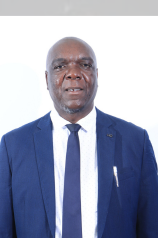 South Africa
Nkoana Shai
Committee Member
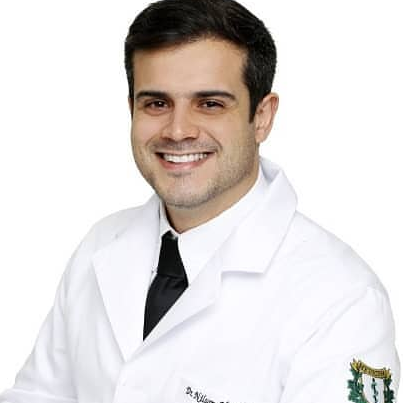 USA
USA
Nilson N Mendes Neto
Committee Member
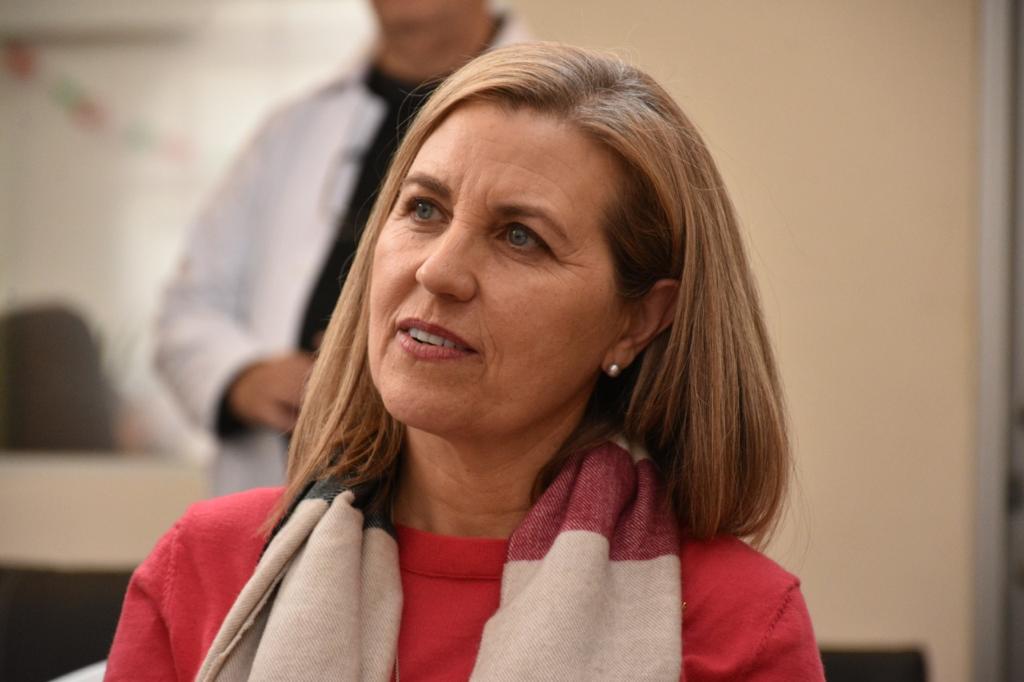 Mexico
Centeno Isabel
Committee Member
 South Africa
Maepa Mokoena
Committee Member

Hotel Services & Amenities
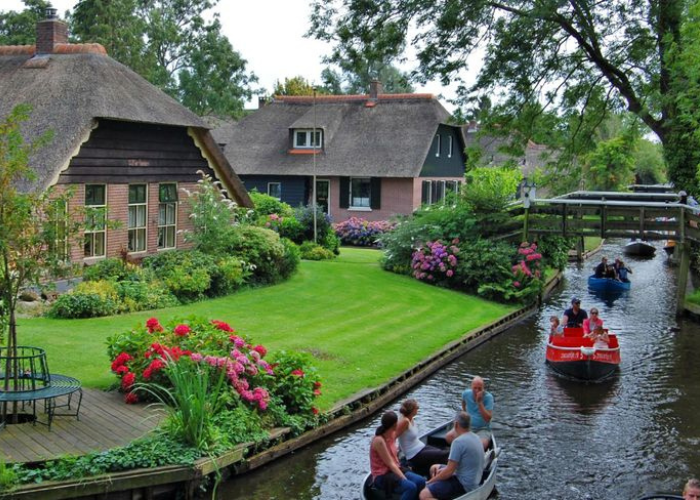
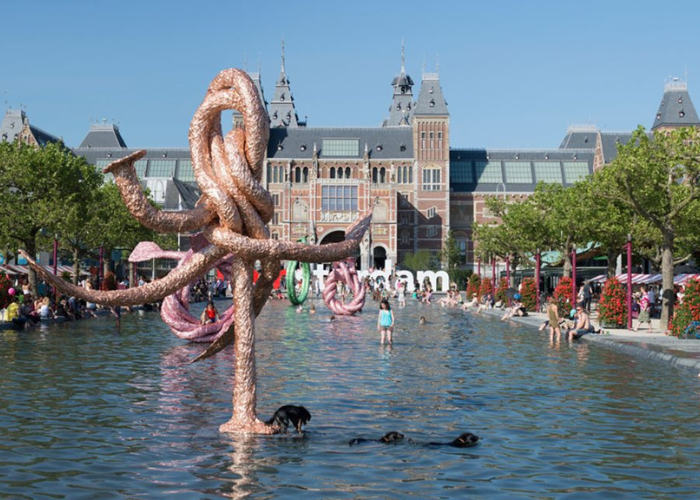
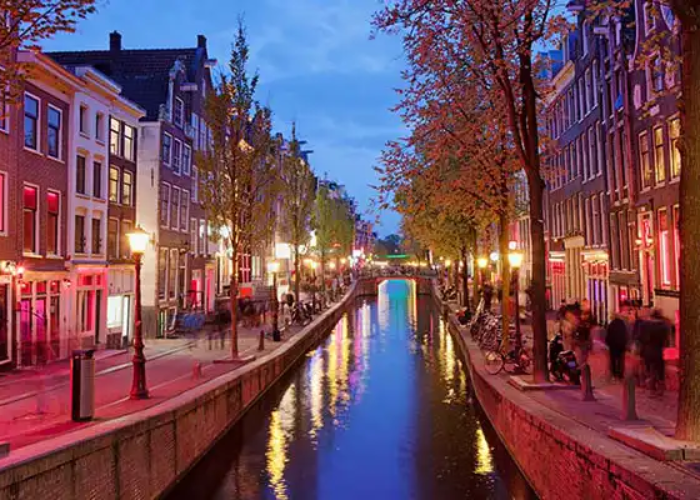
Conference Venue DetailsAmsterdam, Netherlands, is a world-renowned city recognized for its excellence in healthcare, education, research, and innovation, making it an ideal destination for international scientific and medical conferences. During October, the city experiences a pleasant autumn climate with mild temperatures, providing a comfortable environment for visitors. Amsterdam is home to prestigious universities, research institutions, and leading medical and academic centers that foster global collaboration and knowledge exchange. The city offers iconic attractions such as the Anne Frank House, Rijksmuseum, Van Gogh Museum, and its historic canal network, a UNESCO World Heritage Site. Delegates can enjoy rich cultural experiences, vibrant neighborhoods, and world-class Dutch and international cuisine. Amsterdam is easily accessible via Amsterdam Airport Schiphol, one of Europe’s major international hubs with excellent global connectivity. Local transportation is highly efficient, including trams,...
-
Audio/Visual Equipment Rental
-
High-Speed Wireless Internet
-
Dedicated On-site Parking
-
Guest Room Accommodation Packages
Registration Offers
Our registration offers
Speaker Registration
Global Stage for Your Research
- Global Recognition
- Abstract Publication
- Certificate of Honor
- Networking Access
Student Registration
Empowering the Next Generation
- Expert Mentorship
- Career Development
- Reduced Pricing
- Participation Award
Delegate Registration
Immersive Learning & Networking
- Knowledge Exchange
- Premium Materials
- Interactive Learning
- All-Inclusive Catering
Global Perspectives, Shared Success
Discover how our summits have empowered researchers and industry leaders to shape the future of their fields.
Read MoreThank you for the beautiful photos; Thank you for the conference invitation. The event was truly inspiring and meaningful. They are a wonderful reminder of the significant event... Read more

Thanks so much for your kind words! I had a great experience at the conference. As I mention in the video, I got to share my work with some truly brilliant speakers and... Read more
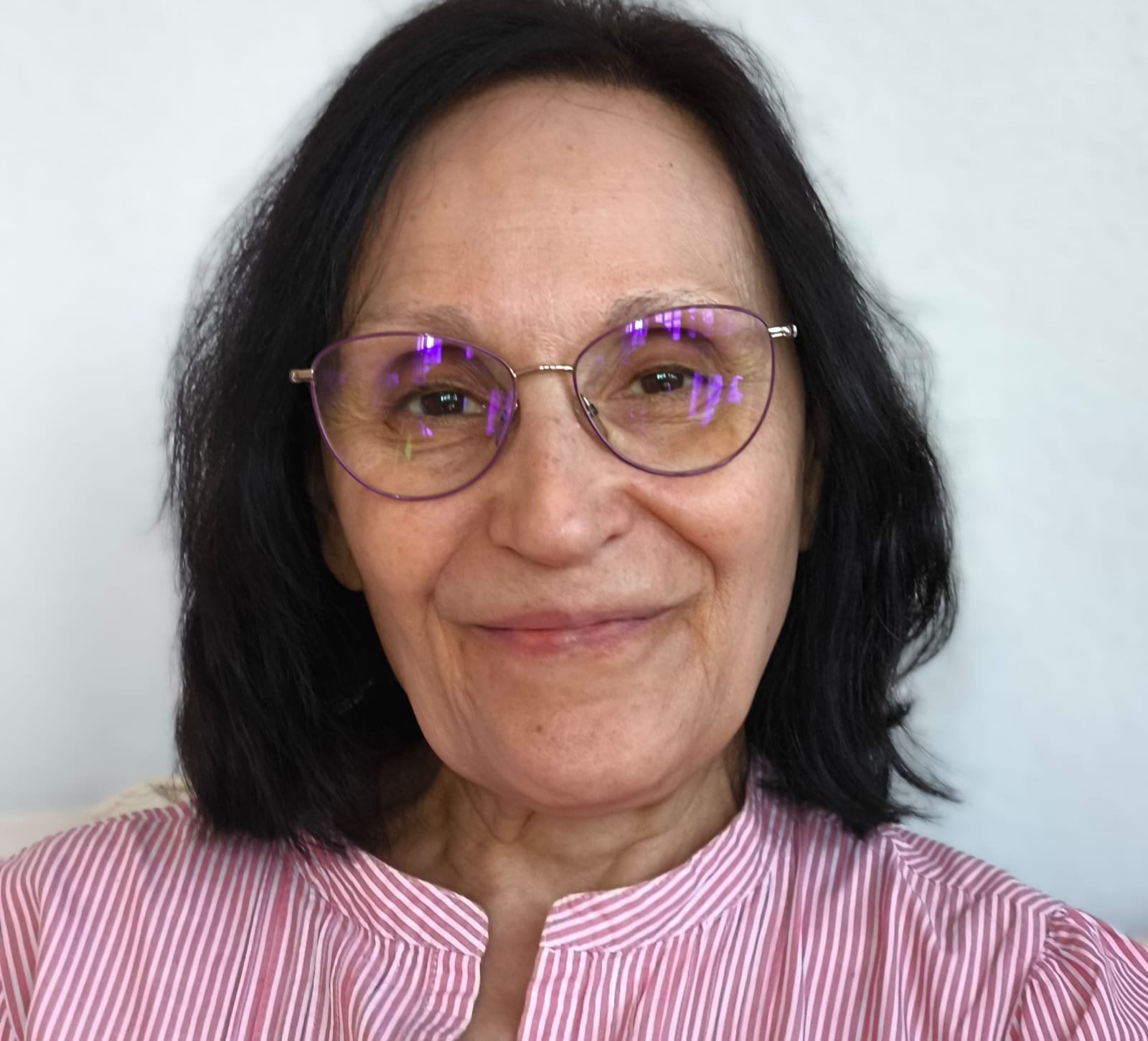
I am grateful for the invitation to the traditional medicine, immunology, biochemistry and food technology event. I consider that the event met my expectations of meeting other... Read more

Thank you for organizing a great event, it was a good experience.

I returned home after a fruitful conference. I had the opportunity to upgrade my knowledge and interact with many active scientists. My presentation was well received. Thank you... Read more
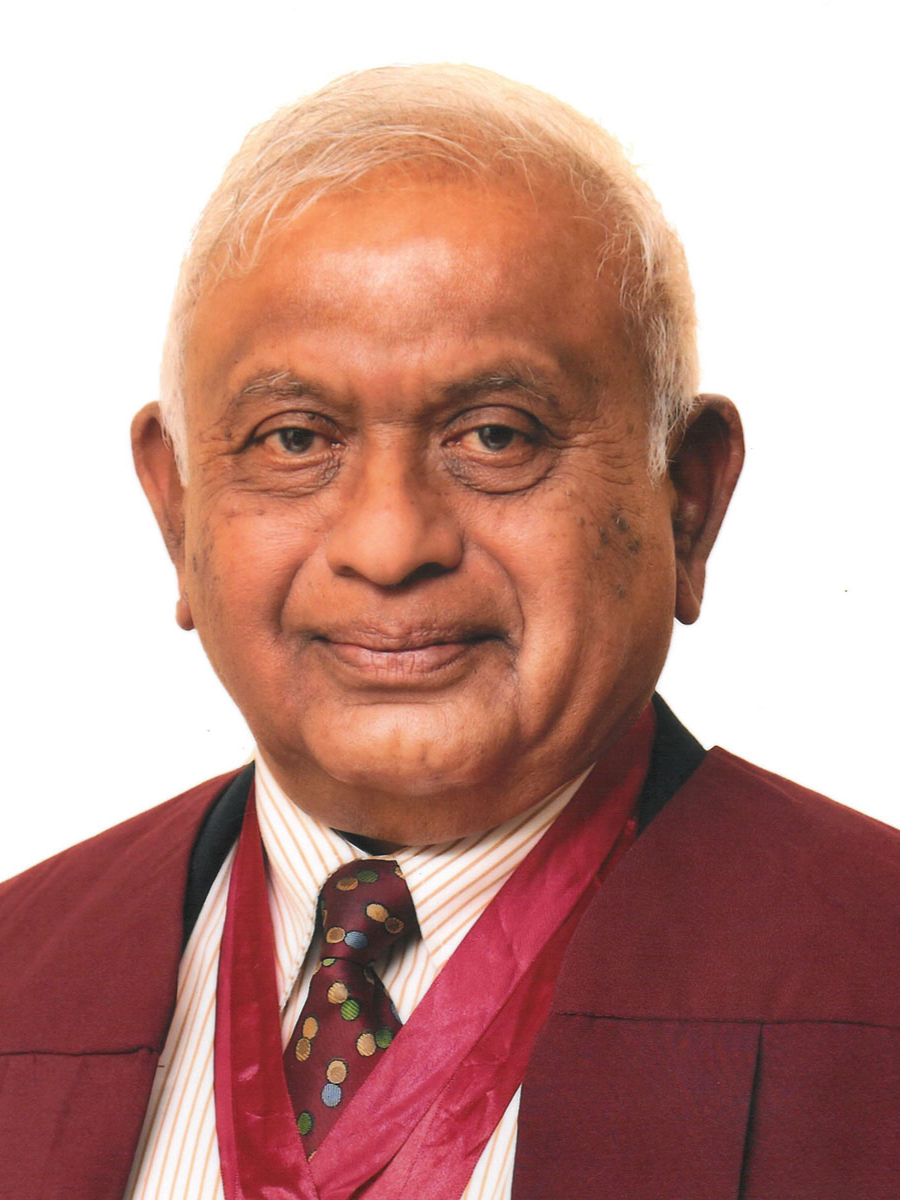
Thank you for organizing the Microbiology conference; it was a successful event that discussed the current issues of microbiology science in medicine, food, and other fields.
Thank you very much for the organization. It was really good conference and we enjoyed a lot those moments. I will try to send you a short video about my impressions next week but... Read more
The conference is very nice.
Thank you for your kind words and for organizing the International Conference on Immunology & Vaccination. It was a pleasure to participate and contribute to the discussions.... Read more
I hope this email finds you well. Thank you very much for having me. I have finished the conference and returned to China safely. I had a wonderful week in Zurich and thank you... Read more
Video Gallery
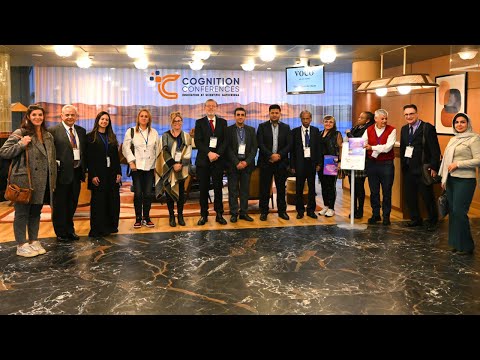
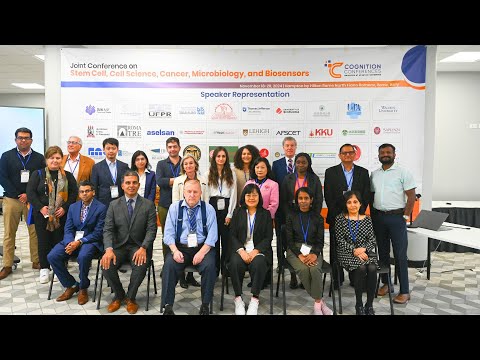
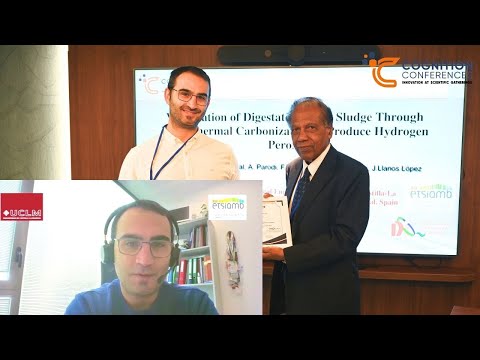
Watch highlights, speaker insights, and previews of upcoming events.
Official Media Partners
We are proud to collaborate with leading media organizations.










Get In Touch
To know more about our conferences and events do get in touch with us and join our large network of scientists, professional experts, and research scholars.
Contact Information
-
Office Address ProCognition Conferences OÜ
Kaupmehe tn 7-120, Kesklinna district
Tallinn city, Harju county 10114
Estonia
VAT: EE102850103 -
WhatsApp Number +44 20 4571 8752
-
E-mail address contact@cognitionconferences.org