Abstract :
This study examines attitudes towards students living with HIV/AIDS in universities in Eastern Nigeria in 2026, with particular attention to the role of faith-based organisations in shaping these attitudes. The aim of the study is to investigate how religious beliefs, teachings, and institutional practices influence acceptance, stigma, and support for students living with HIV/AIDS within university communities. The problem that necessitates this research is the persistence of stigma and discrimination against people living with HIV/AIDS despite increased awareness and medical advancements. In the Nigerian context, where religion plays a central role in social life, faith-based organisations may either reinforce negative stereotypes or promote compassion and inclusion. However, there is limited empirical research examining their actual impact within university settings in Eastern Nigeria. The study adopts a mixed-methods methodology, combining quantitative surveys administered to students and staff across selected universities with qualitative interviews involving leaders and members of campus-based faith organisations. Data were analysed using descriptive statistics and thematic analysis to identify prevailing attitudes and underlying factors. The results reveal a complex pattern: while awareness of HIV/AIDS has improved, stigmatizing attitudes still persist, particularly those rooted in moral and religious interpretations of the disease. Nevertheless, faith-based organisations that emphasize teachings of love, care, and non-judgment were found to significantly reduce stigma and promote supportive environments for affected students. The study concludes that faith-based organisations play a dual role in shaping attitudes towards students living with HIV/AIDS. While some perpetuate stigma through moralistic interpretations, others serve as critical agents of change by fostering empathy, inclusion, and support. The study recommends strengthening faith-based advocacy, integrating health education with theology, and promoting inclusive campus policies to combat stigma effectively.
Biography :
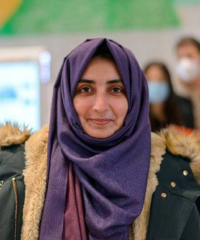
Favour C. Uroko is an academic and researcher affiliated with the University of Nigeria, Nsukka (UNN), Nigeria. With a strong interest in scholarly research and academic development, Favour has contributed to the advancement of knowledge through participation in academic conferences and research activities. Their work focuses on contributing meaningful insights within their field, demonstrating a commitment to professional growth, collaboration, and innovation. As part of the UNN academic community, Favour continues to engage in research-driven initiatives and knowledge dissemination at both national and international levels.