Abstracts
This particular study assesses the quality of life (QoL) of HIV/AIDS patients in Nepal taking into account the social effect of disclosing one’s HIV status. The study attempts to determine the importance of QoL differences based on gender and how disclosure affects each dimension of QoL. The study was conducted on 972 participants (486 men and 486 women) from different ART centers in Nepal using cross-sectional study design. Data was gathered through a pre-designed self-administered questionnaire consisting of sociodemographic variables and the WHOQOL-BREF. Statistical analysis was performed using descriptive and inferential statistics including ANOVA. The findings revealed that informing a physician of a patient’s HIV status significantly increases all aspects of quality of life: physical health (estimate = 0.502, p = 0.001), psychological well-being (estimate = 0.642, p = 0.001), social relationships (estimate = 0.596, p = 0.001) and environmental factors (estimate = 0.608, p = 0.001). On the other hand, family members’ disclosures deteriorated in all the aforementioned dimensions, where physical health was reported at (estimate = -0.417, p = 0.001), psychological health was (estimate = -0.453, p = 0.001), social relationships (estimate = -0.381, p = 0.025) and environmental quality was (estimate = -0.559, p = 0.001). Disclosure to either physician or partner has no relevant effect on quality of life. Patients with co-morbidity reported variable effects, where positive changes in physical health (estimate = 0.329, p = 0.032) and environmental quality (estimate = 0.649, p < 0.001) were reported alongside no changes in psychological and social well-being.This study established an effective intervention that needs to improve communication strategies, reduce stigma, and provide robust support systems. Incorporating education level, employment opportunities, and internalized stigma is critical for improving an HIV/AIDS patient’s general health in the context of Nepal.
Impact of HIV Status Disclosure on Quality of Life among HIV/AIDS Patients in Nepal: A Cross-Sectional Study
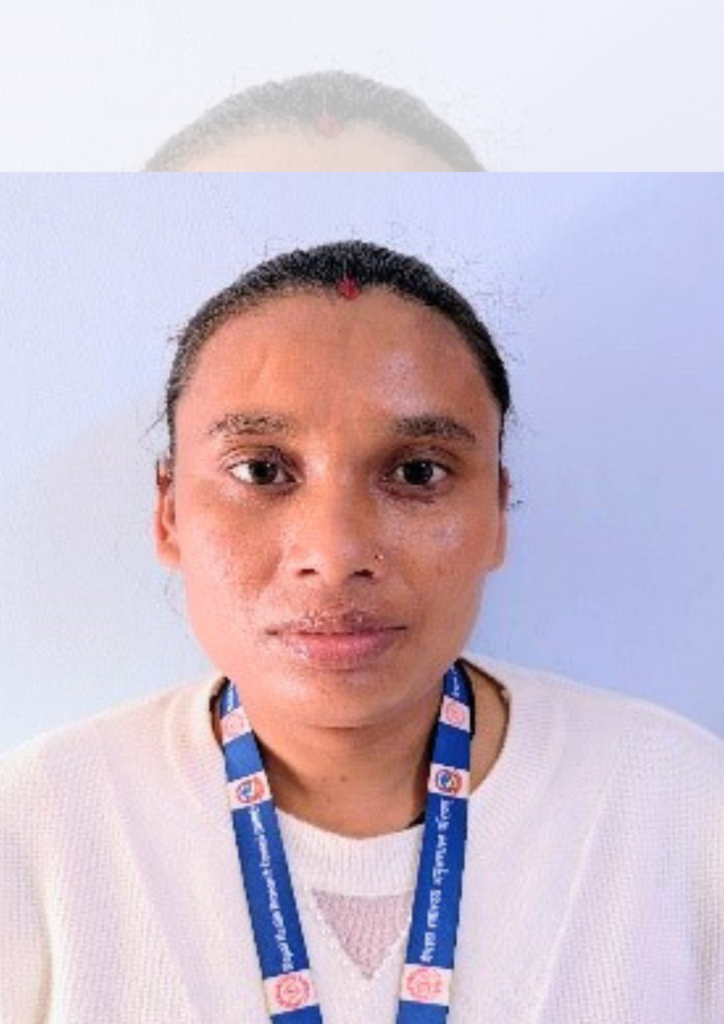
Kabita Dhami
Speakers
Day 1