

About Conference
Agriculture 2026
Agriculture 2026, the International Conference on Agriculture & Horticulture, will be held on June 15–17, 2026, in Berlin, Germany, bringing together leading agricultural scientists, horticulturists, agronomists, researchers, policymakers, farmers, industry professionals, and agri-technology experts from around the world. Guided by the theme “Sustainable Agriculture and Smart Horticulture for a Resilient Future,” the conference offers a dynamic international platform featuring eminent keynote speakers, scientific sessions, oral and poster presentations, panel discussions, and industry exhibitions focused on the latest advancements in sustainable agriculture, precision farming, smart horticulture, climate-smart practices, and agri-innovation. The event fosters strong networking and collaboration opportunities by connecting academia, research institutions, government bodies, and agribusiness organizations, enabling knowledge exchange, research partnerships, and professional growth while highlighting innovative solutions that enhance agricultural productivity, environmental sustainability, food security, and...
Conference Starts In:
Agriculture & Horticulture
Scientific Sessions
Explore innovative scientific sessions in Agriculture & Horticulture
- Advances in Precision Agriculture and Smart Farming
- Soil Health, Fertility, and Regeneration
- Climate-Smart Agriculture: Strategies and Innovations
- Crop Breeding and Genetic Improvement
- Agricultural Biotechnology and Genomics
- Organic Farming: Science, Certification, and Markets
- Water Management and Irrigation Technologies
- Agricultural Robotics, Drones, and Automation
- Integrated Pest and Disease Management
- Innovations in Horticultural Crop Production
- Greenhouse Technologies and Urban Horticulture
- Vertical Farming and Controlled Environment Agriculture
Committee Members
Our organizaing committee members
 South Africa
Miklas Scholz
Committee Member
 UK
UK
Ten Feizi
Committee Member
 Poland
Dawid Skrzypczak
Committee Member
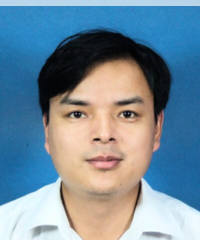 China
China
Da-Long Guo
Committee Member
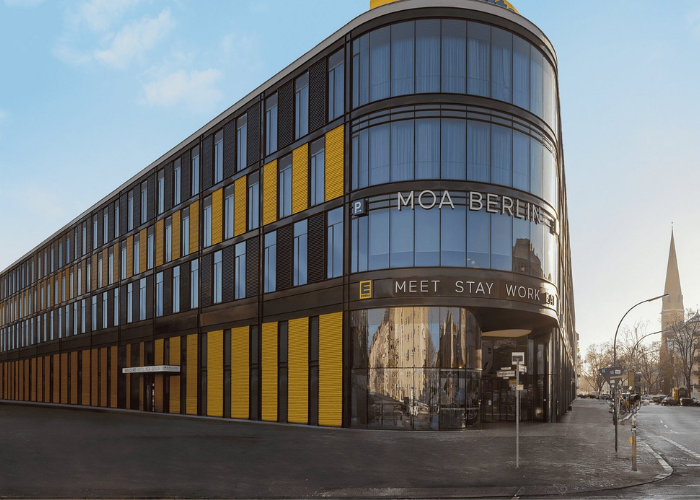
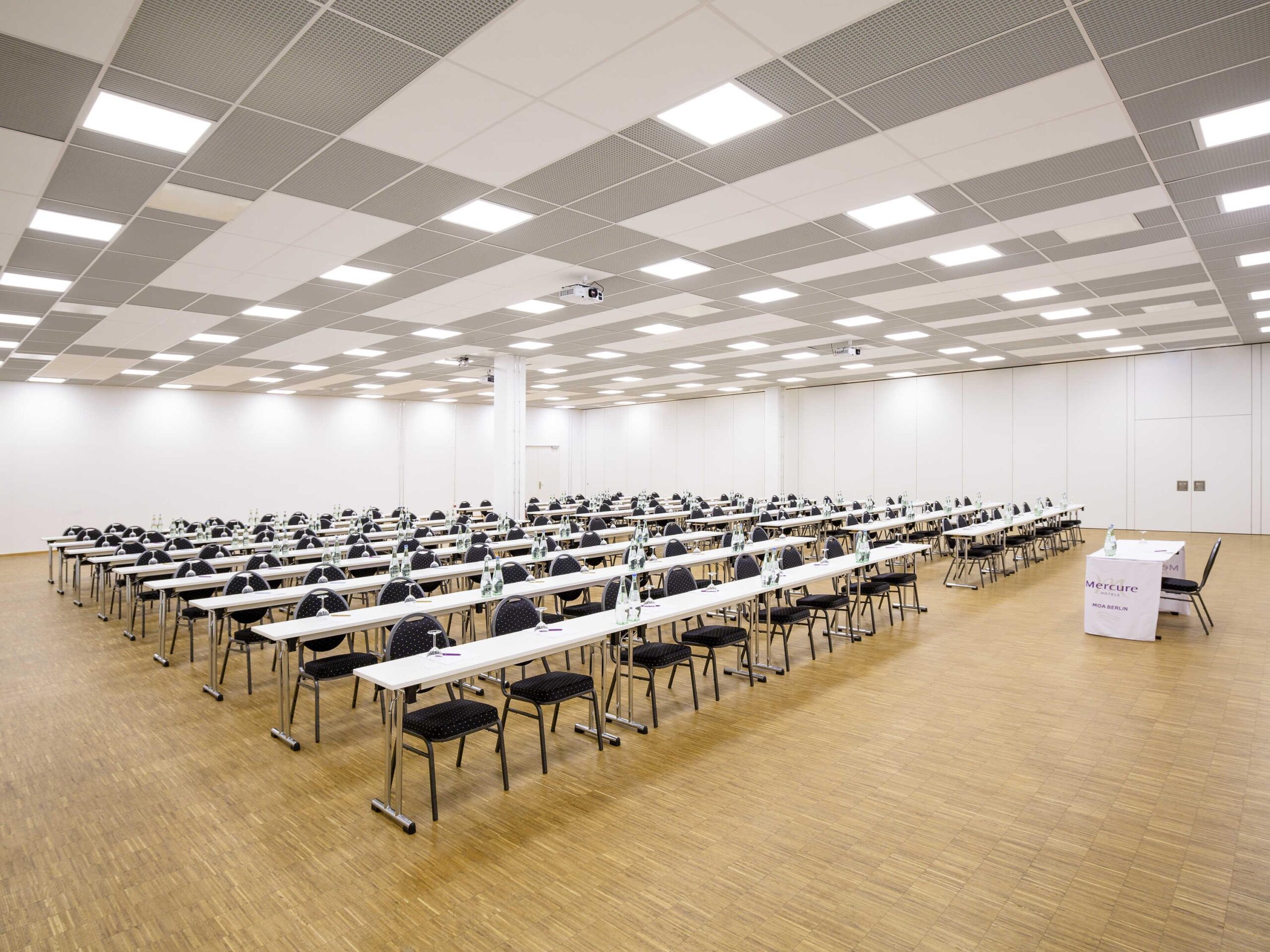
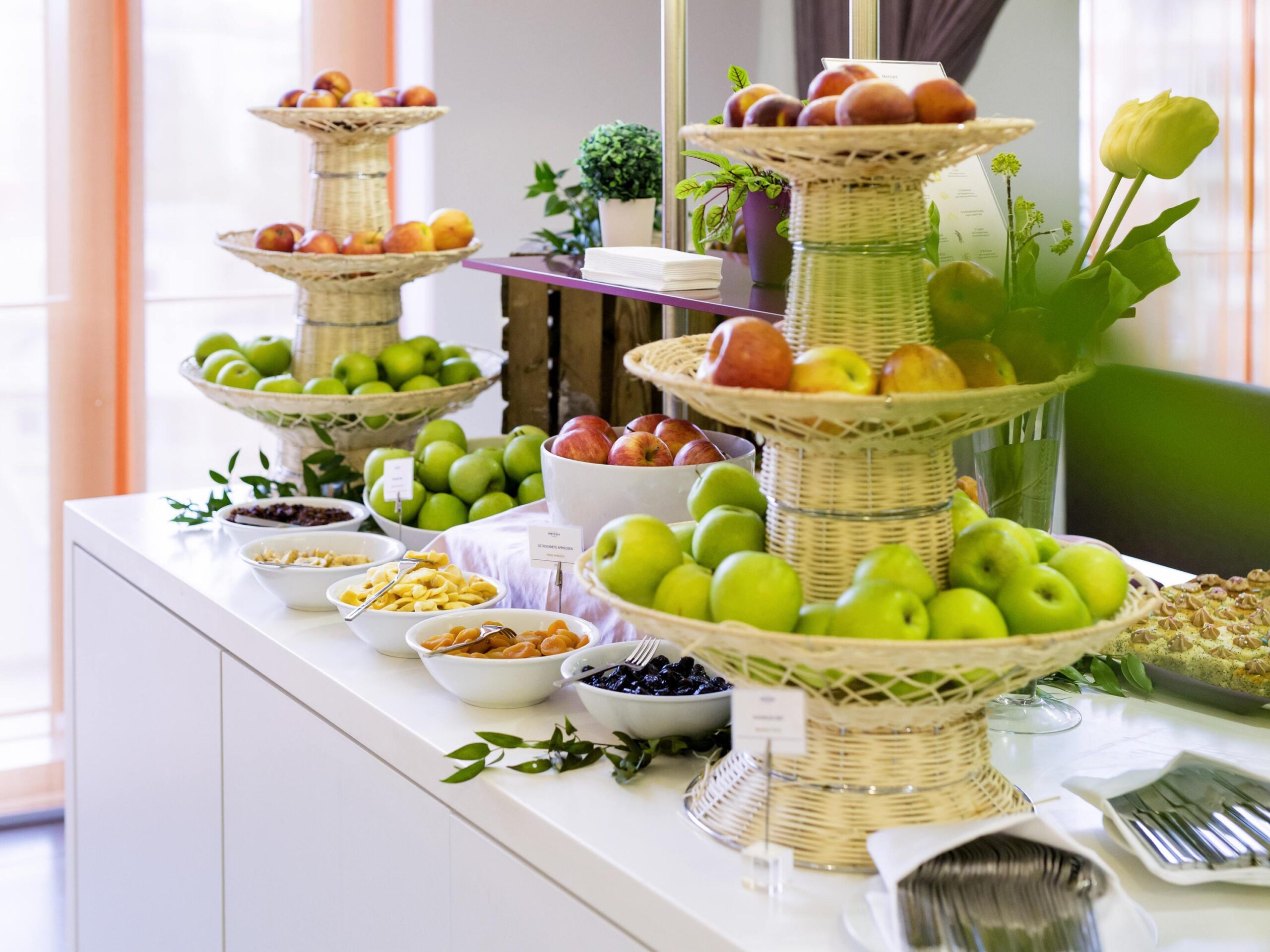

Hotel Services & Amenities
Conference Venue Details*Berlin, Germany, is a world-renowned city recognized for its excellence in science, technology, education, research, and innovation, making it an ideal destination for international scientific conferences. During June, the city enjoys a pleasant early-summer climate with comfortable temperatures, creating a welcoming environment for delegates. Berlin is home to leading universities, research institutes, and innovation hubs that actively support academic collaboration and interdisciplinary research. The city offers iconic landmarks such as the Brandenburg Gate, Museum Island, the Berlin Wall Memorial, and the Reichstag Building, along with vibrant neighborhoods, green spaces, and a diverse culinary culture. Berlin is easily accessible through major international airports with excellent global connectivity, while its efficient public transportation system—including U-Bahn, S-Bahn, trams, buses, and taxis—ensures convenient travel throughout the city. With modern conference facilities, high-quality hotels, and...
-
Audio/Visual Equipment Rental
-
High-Speed Wireless Internet
-
Dedicated On-site Parking
-
Guest Room Accommodation Packages
Registration Offers
Our registration offers
Speaker Registration
Global Stage for Your Research
- Global Recognition
- Abstract Publication
- Certificate of Honor
- Networking Access
Student Registration
Empowering the Next Generation
- Expert Mentorship
- Career Development
- Reduced Pricing
- Participation Award
Delegate Registration
Immersive Learning & Networking
- Knowledge Exchange
- Premium Materials
- Interactive Learning
- All-Inclusive Catering
Global Perspectives, Shared Success
Discover how our summits have empowered researchers and industry leaders to shape the future of their fields.
Read MoreThank you for the beautiful photos; Thank you for the conference invitation. The event was truly inspiring and meaningful. They are a wonderful reminder of the significant event... Read more

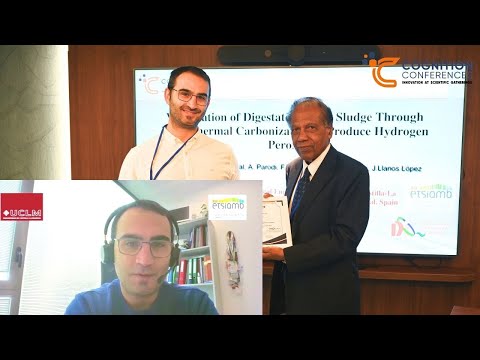
Thanks so much for your kind words! I had a great experience at the conference. As I mention in the video, I got to share my work with some truly brilliant speakers and... Read more

I am grateful for the invitation to the traditional medicine, immunology, biochemistry and food technology event. I consider that the event met my expectations of meeting other... Read more

Thank you for organizing a great event, it was a good experience.

I returned home after a fruitful conference. I had the opportunity to upgrade my knowledge and interact with many active scientists. My presentation was well received. Thank you... Read more
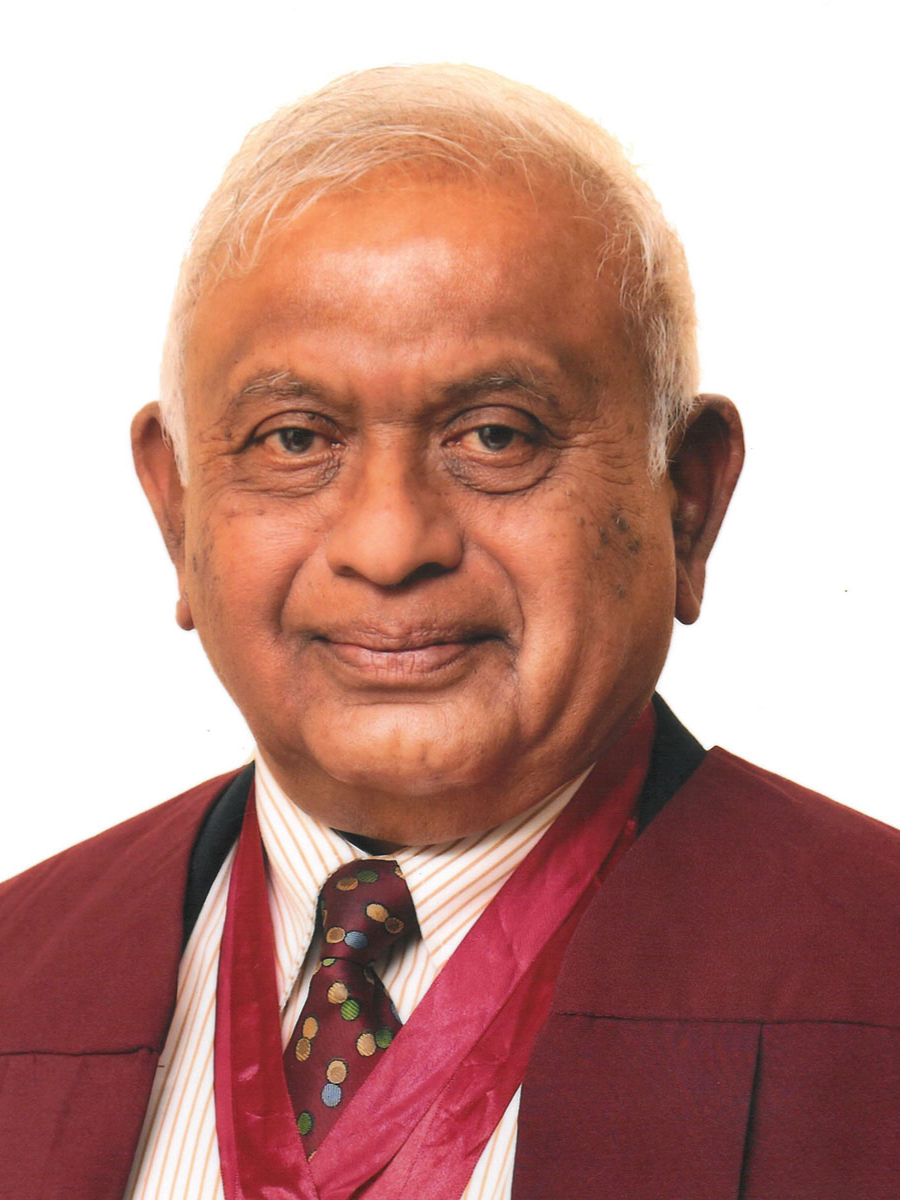
Thank you for organizing the Microbiology conference; it was a successful event that discussed the current issues of microbiology science in medicine, food, and other fields.

Thank you very much for the organization. It was really good conference and we enjoyed a lot those moments. I will try to send you a short video about my impressions next week but... Read more

The conference is very nice.
Thank you for your kind words and for organizing the International Conference on Immunology & Vaccination. It was a pleasure to participate and contribute to the discussions.... Read more

I hope this email finds you well. Thank you very much for having me. I have finished the conference and returned to China safely. I had a wonderful week in Zurich and thank you... Read more

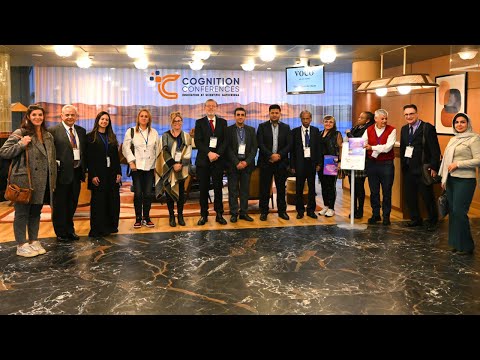
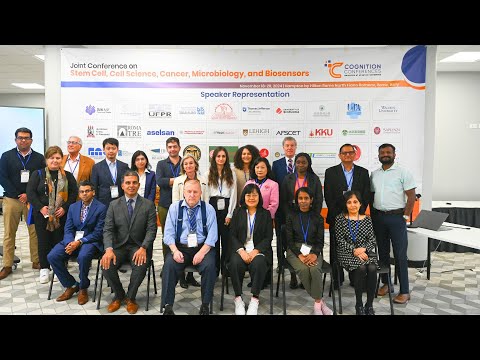
Video Gallery
Watch highlights, speaker insights, and previews of upcoming events.
Official Media Partners
We are proud to collaborate with leading media organizations.
















Get In Touch
To know more about our conferences and events do get in touch with us and join our large network of scientists, professional experts, and research scholars.
Contact Information
-
Office Address ProCognition Conferences OÜ
Kaupmehe tn 7-120, Kesklinna district
Tallinn city, Harju county 10114
Estonia
VAT: EE102850103 -
WhatsApp Number +44 20 4571 8752
-
E-mail address contact@cognitionconferences.org