About Berlin, Germany
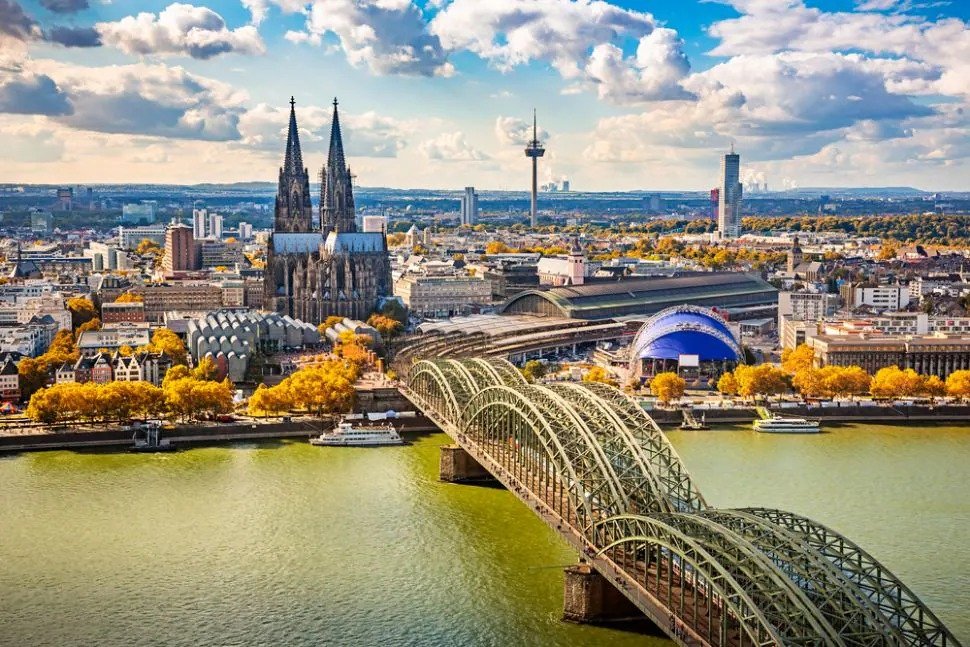
Berlin, the capital of Germany, is one of Europe’s most influential and dynamic cities, widely recognized for its excellence in healthcare, medical education, scientific research, and technological innovation. As a leading international hub for academic and clinical advancement, Berlin attracts researchers, clinicians, academicians, and industry professionals from around the world. The city offers a unique blend of rich historical heritage and cutting-edge modern infrastructure, making it an ideal destination for hosting international scientific and medical conferences. Its strong emphasis on research, technology, and interdisciplinary collaboration aligns closely with the objectives of global conferences in medicine, surgery, anesthesia, pain management, and biomedical sciences.
During the conference dates in October, Berlin experiences a pleasant autumn climate, with average temperatures typically ranging between ten degrees Celsius and seventeen degrees Celsius. The mild weather, crisp air, and scenic autumn landscapes create a comfortable and inviting environment for attending scientific sessions, engaging in professional networking, and exploring the city. This season allows delegates to balance a productive conference schedule with enjoyable outdoor activities and cultural experiences.
Berlin is home to some of Germany’s most prestigious universities and research institutions, including Humboldt University of Berlin, Charité – Universitätsmedizin Berlin, Freie Universität Berlin, and Technische Universität Berlin. These institutions are globally renowned for their contributions to clinical research, medical innovation, public health, and healthcare education. Berlin’s strong academic and research ecosystem provides an inspiring setting for knowledge exchange, interdisciplinary collaboration, and professional development during international conferences.
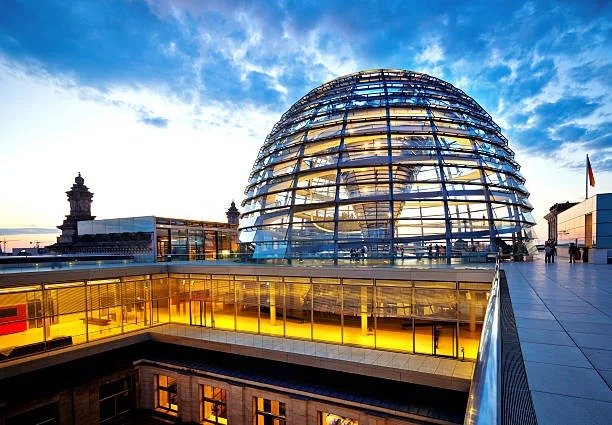
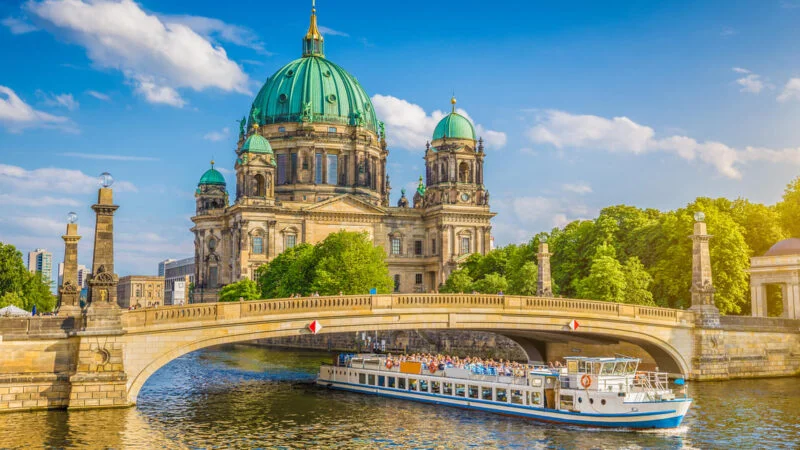
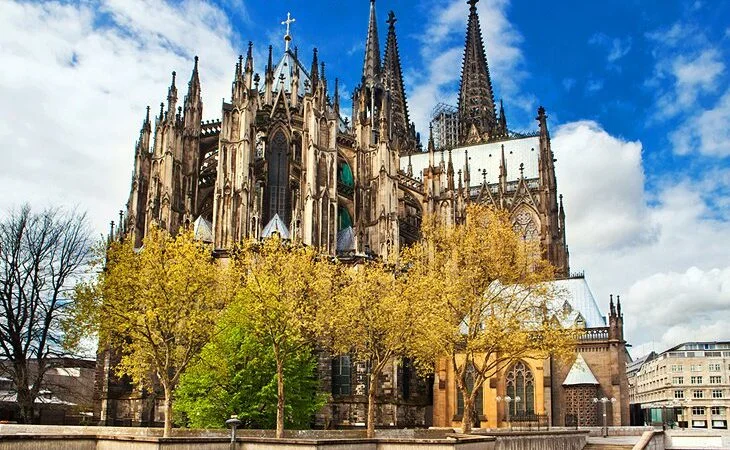
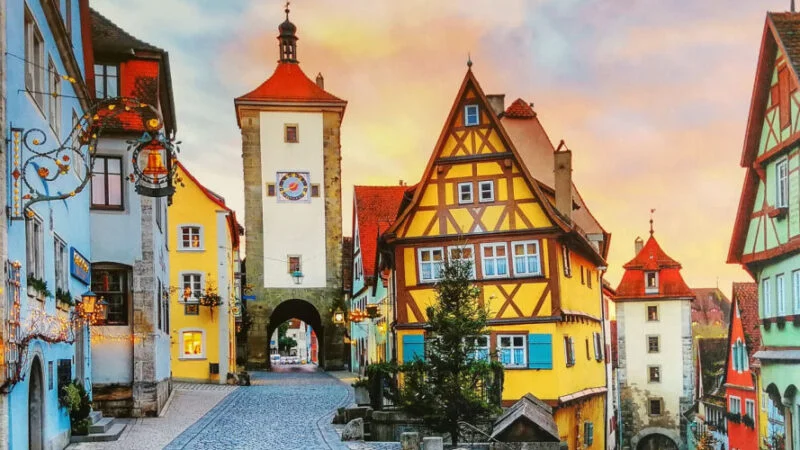
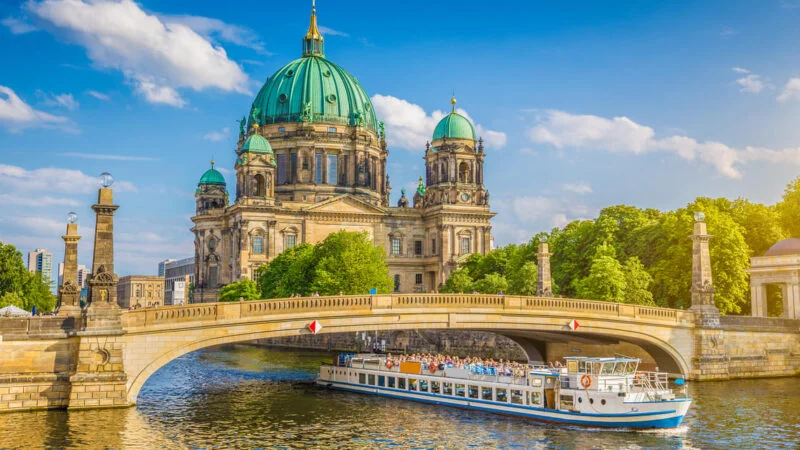
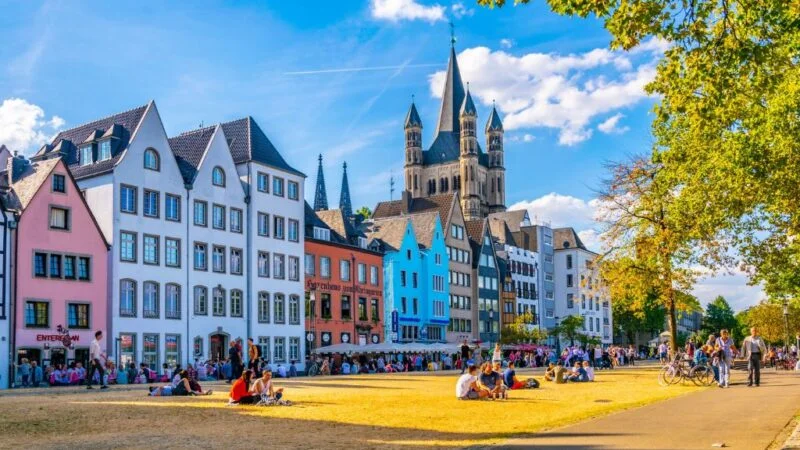
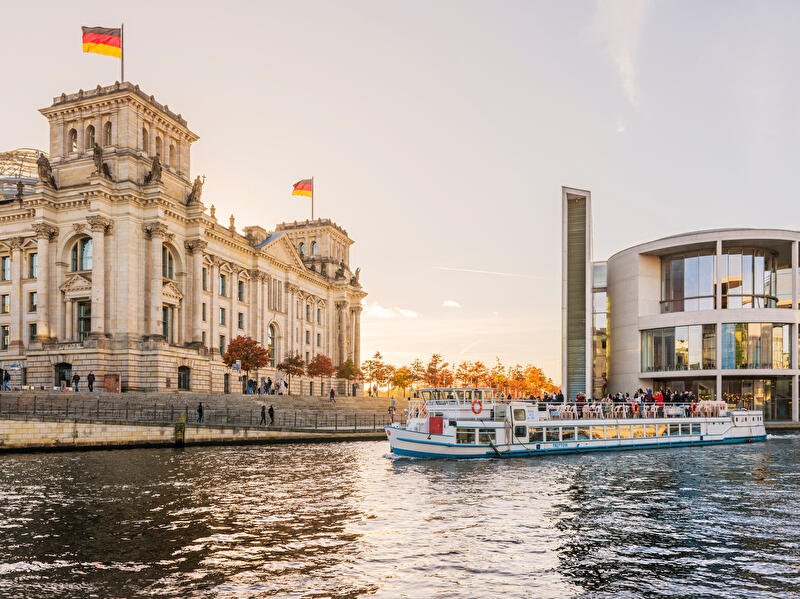
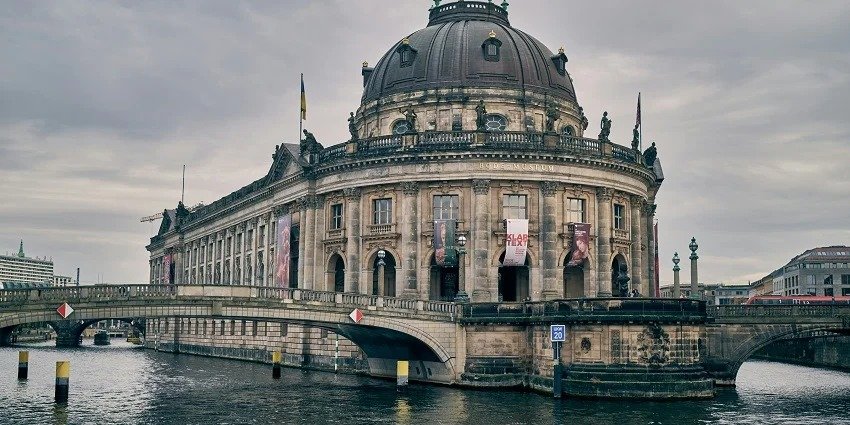
In addition to its academic strengths, Berlin offers a rich cultural and sightseeing experience. Delegates can explore iconic landmarks such as the Brandenburg Gate, Reichstag Building, Berlin Wall Memorial, Museum Island, and Potsdamer Platz. Historic neighborhoods like Mitte, Prenzlauer Berg, and Kreuzberg, along with world-class museums, art galleries, music venues, and diverse international cuisine, add exceptional value to the conference experience. These attractions provide opportunities for relaxation, peer interaction, and cultural enrichment beyond the scientific program.
Berlin is one of the most accessible cities in Europe for international travel. The city is served by Berlin Brandenburg Airport (BER), which offers direct flights from major cities across Europe, Asia, the Americas, the Middle East, and Africa. The airport is well connected to the city center through efficient rail, bus, taxi, and ride-sharing services, ensuring smooth arrival and departure for international delegates. Local transportation in Berlin is highly efficient, affordable, and user-friendly. The city’s extensive public transport network includes the U-Bahn (metro), S-Bahn (suburban trains), trams, and buses, providing convenient access to conference venues, hotels, universities, and major attractions.
With state-of-the-art conference facilities, strong global connectivity, a safe and welcoming environment, and a vibrant international atmosphere, Berlin ensures a smooth and rewarding experience for conference participants. Attending a conference in Berlin offers more than professional and academic growth; it provides a memorable journey that combines scientific learning, global networking, cultural exploration, and personal enrichment in one of Europe’s most inspiring capital cities.