Abstract
Surgical resection remains the cornerstone of treatment for resectable solid tumors. However, for highly invasive tumors with ill-defined boundaries, such as glioblastoma in the central nervous system, complete eradication of microscopic residual lesions is often unachievable, resulting in frequent postoperative recurrence. Although local therapeutic strategies such as immunotherapy and nanomedicine have shown promise, their clinical efficacy is still hampered by insufficient site-specific drug retention and systemic toxicity. Herein, we report a drug-framework hybrid nanomaterial (DHSF) that integrates chemotherapy and immunotherapy to provide a safe and durable localized treatment for preventing tumor relapse. DHSF is a distinctive organic-inorganic hybrid material in which chemotherapeutic agents are embedded within a mesoporous scaffold via hybridization, enabling highly stable, slow-degrading drug incorporation. This structure ensures ultra-sustained, low-dose release under the tumor microenvironment, effectively reducing systemic toxicity and precisely suppressing immune checkpoints such as PD-L1. Moreover, DHSF enhances binding to TLR4 receptors and activates the TLR4-NFκB signaling pathway, thereby promoting chemokine secretion and augmenting antitumor immune responses. Remarkably, DHSF exhibits strong tissue adhesion and hemostatic properties. Leveraging these characteristics, we further developed a photocurable gel formulation that can be applied intraoperatively to fill surgical cavities and form an “immunotherapeutic depot”, enabling sustained local chemotherapy and immune activation. In postoperative glioblastoma models, this gel significantly delayed tumor recurrence and prolonged survival, while demonstrating excellent biocompatibility and metabolic clearance with no detectable toxicity to vital organs such as the heart, liver, or kidneys. Collectively, these results highlight the clinical potential of DHSF-based gels as intraoperative, immunomodulatory, and sustained-release platforms for precise postoperative tumor intervention.
Biography
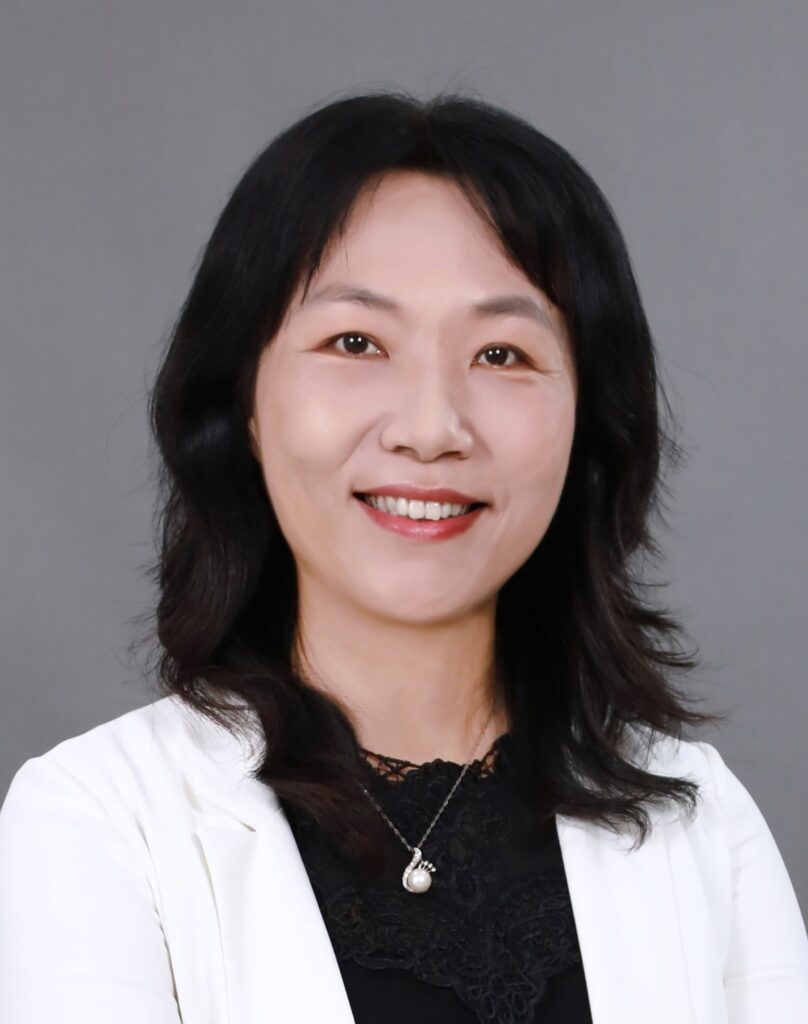
Rongqin Huang received her Ph.D. and is currently a Professor at Fudan University and Vice Dean of the School of Convergence Medicine at Zhengzhou University. She is a recipient of the National Science Fund for Excellent Young Scholars (China) and Fellow of the Royal Society of Biology (FRSB). Her research focuses on intelligent biomaterials and nanomedicine for cancer therapy. She has published 106 papers (H-index 46, >6,500 citations) and has led 16 national and provincial research projects. She also serves on the editorial boards of several journals, including Asian Journal of Pharmaceutical Sciences and Chinese Chemical Letters.