About Rome, Italy
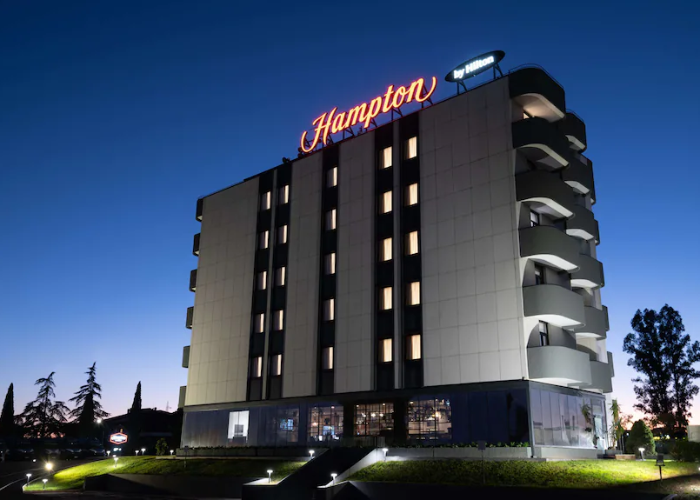
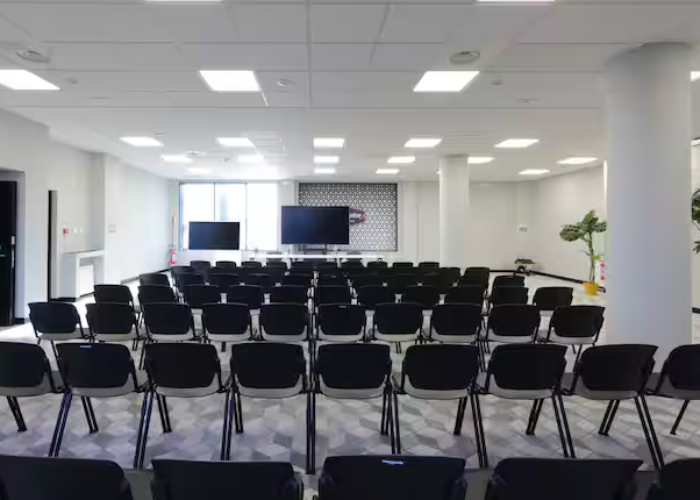
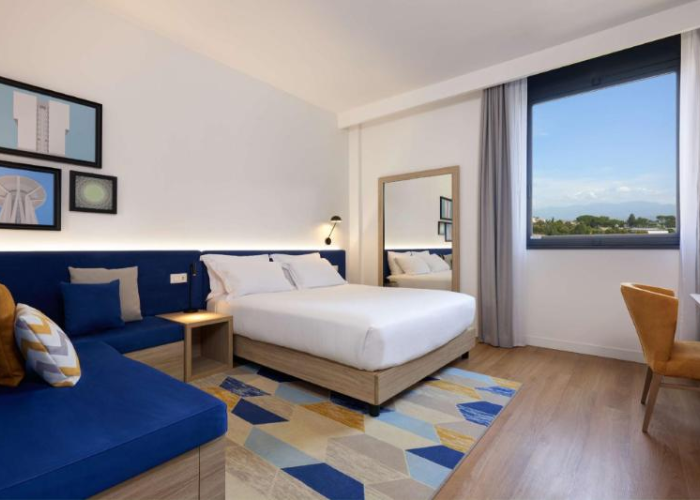
Venue: Hampton By Hilton Rome North Fiano Romano
Address: Località Bei Poggi, 00065 Fiano Romano RM, Italy
Rome, the capital of Italy, stands as one of the world’s most historically significant and scientifically progressive cities, offering an inspiring setting for conferences in Biotechnology, Life Sciences, and their Applications. Known as a global center for medical research, pharmaceutical innovation, and biomedical sciences, Rome brings together a powerful blend of ancient knowledge and modern scientific advancement. The city hosts a strong network of universities, research institutes, biotechnology hubs, and life science organizations, making it an ideal destination for researchers, clinicians, scientists, and industry leaders to exchange ideas and explore the latest developments in biotechnology and life sciences. This dynamic scientific environment aligns perfectly with the goals of international conferences focused on innovation, discovery, and translational research. Rome is home to several prestigious institutions, including Sapienza University of Rome, the University of Rome Tor Vergata, and the Catholic University of the Sacred Heart, along with renowned biomedical and research centers such as the National Research Council of Italy and major teaching hospitals. These institutions play a vital role in advancing molecular biology, genetics, pharmaceuticals, regenerative medicine, and biomedical technologies. Their strong focus on interdisciplinary research and collaboration provides an excellent academic foundation for hosting global conferences in biotechnology and life sciences. Delegates attending meetings in Rome benefit from a rich environment that encourages scientific dialogue, knowledge sharing, and meaningful professional partnerships.
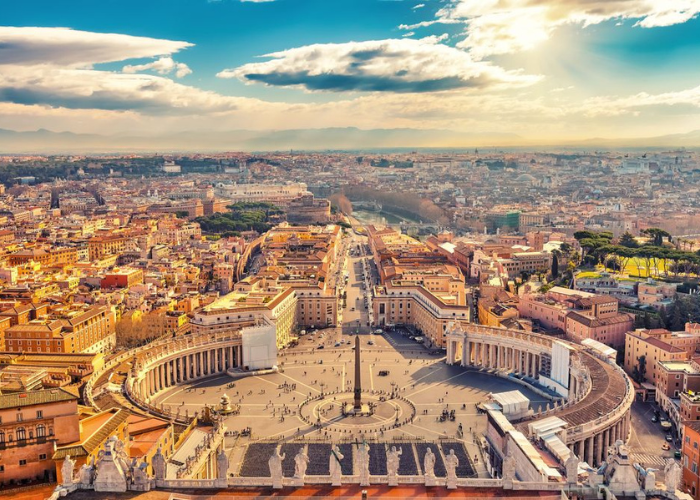
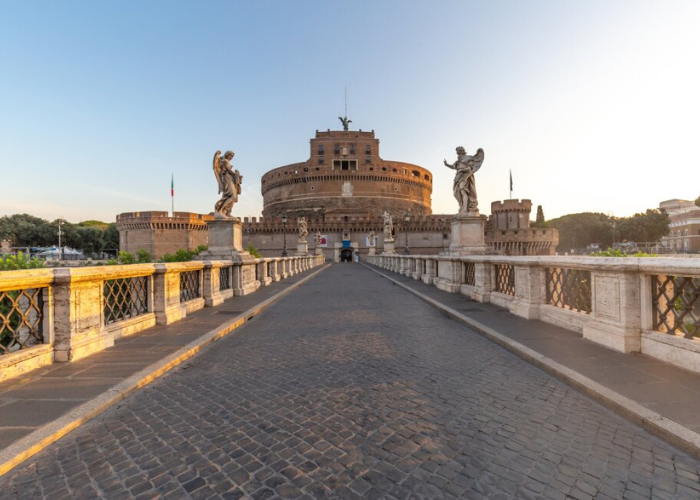
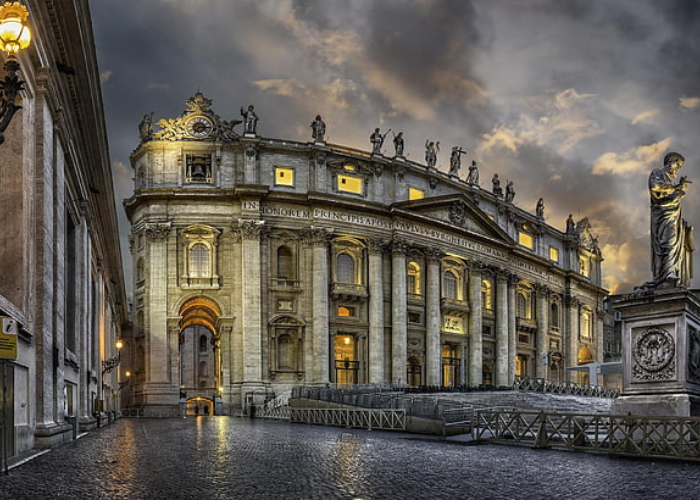
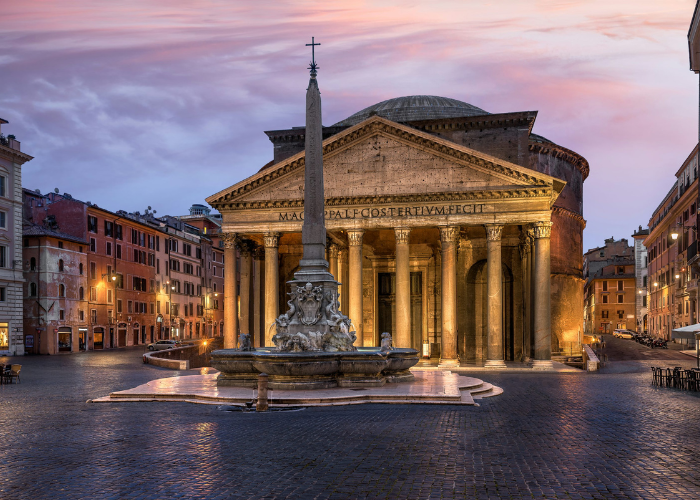
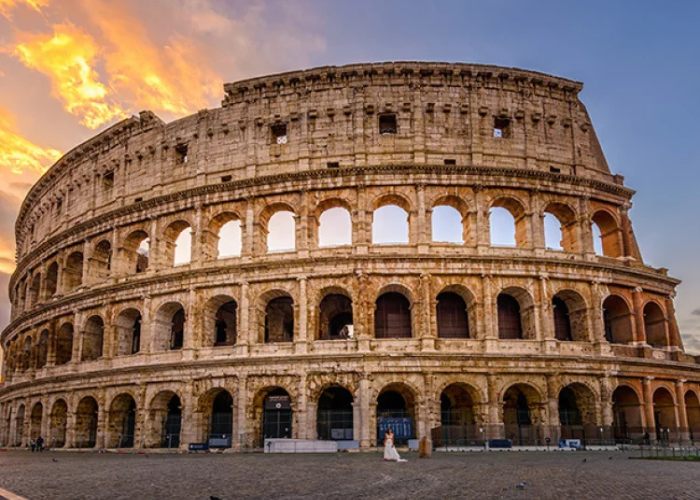
In addition to its academic and scientific strengths, Rome offers an extraordinary cultural and historical experience. Often referred to as the “Eternal City,” Rome features world-famous landmarks such as the Colosseum, the Roman Forum, the Vatican City, St. Peter’s Basilica, and the Pantheon. Visitors can explore charming neighborhoods like Trastevere, enjoy authentic Italian cuisine, and experience the city’s vibrant art, music, and culinary traditions. These cultural attractions create a relaxed and inspiring atmosphere that enhances networking and social interactions during conference breaks and after scientific sessions.
Rome is also highly accessible for international travelers. The city is served by Leonardo da Vinci–Fiumicino International Airport and Ciampino Airport, offering direct connections to major cities across Europe, North America, Asia, the Middle East, and Africa. Efficient transportation options, including trains, metro lines, buses, taxis, and ride-sharing services, provide easy movement between airports, hotels, conference venues, and tourist destinations. Rome’s well-organized public transport system allows delegates to navigate the city comfortably and affordably. With its modern conference facilities, advanced research environment, rich scientific heritage, and welcoming international atmosphere, Rome provides an exceptional platform for biotechnology and life sciences conferences. Hosting a conference in Rome offers participants not only the opportunity for academic and professional advancement but also a unique cultural journey, making it a truly rewarding and memorable experience for all attendees.