Climate change and land-use transformation present growing challenges to the sustainability of renewable energy systems, particularly in developing economies undergoing rapid energy transitions. This study examines climate resilience within the forest–water–energy–land relationship using evidence from the Bui Power Authority in Ghana, focusing on hydropower generation, land-based solar photovoltaic systems, floating solar photovoltaic technology with bifacial modules, and battery energy storage systems. A defining feature of the Bui energy landscape is the land take associated with the hydropower reservoir, which permanently transformed terrestrial ecosystems into aquatic infrastructure for electricity generation. This conversion created ecological and socio-economic trade-offs, including loss of arable land, habitat alteration, and changes in landscape functions. Additional land-use pressure from ground-mounted solar facilities further intensifies competition for productive land within the renewable energy transition. To address these cumulative impacts, the Bui Power Authority implements the Forest Resources Enhancement Programme as an ecological restoration, carbon sequestration, and land compensation mechanism. Through afforestation using indigenous species, catchment restoration, biodiversity conservation, and community participation, the programme offsets environmental impacts associated with reservoir inundation and renewable energy infrastructure. These interventions strengthen watershed stability, reduce erosion and sediment inflow, and support long-term carbon sink development. In parallel, floating solar photovoltaic deployment on the reservoir provides a land-efficient energy innovation. Bifacial solar modules improve electricity generation through water-surface reflectivity and cooling effects while reducing evaporation losses and conserving water resources. Battery energy storage systems enhance flexibility, stabilize variable renewable generation, and strengthen grid reliability. Collectively, this integrated model aligns with Sustainable Development Goals 2, 6, 7, 13 and 15 by promoting food security, water stewardship, clean energy, climate action, and ecosystem restoration. The Bui experience offers a scalable pathway for climate-resilient and sustainable energy development across Sub-Saharan Africa. It demonstrates how integrated planning can balance environmental protection, energy security, local livelihoods, and development priorities.
Biography
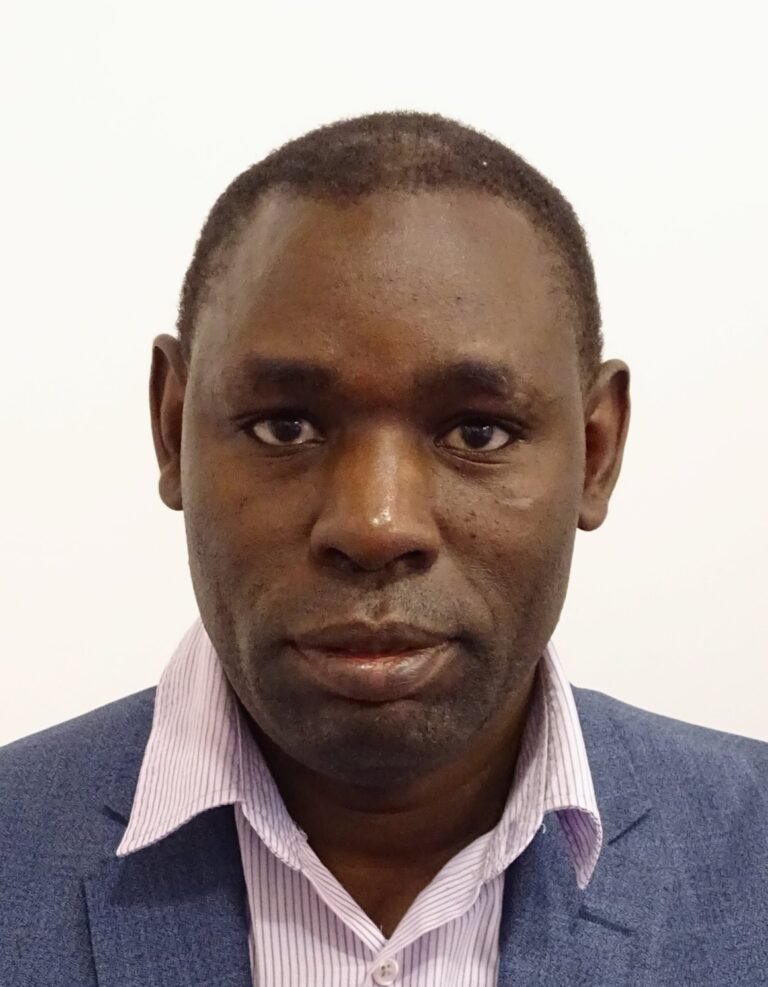
Chrisentus Bangkewa Kuunifaa is a Chartered Occupational Health and Safety Professional and sustainability leader with over 17 years of experience in Ghana’s power and renewable energy sector. He is Director of Health, Safety and Environment at Bui Power Authority, providing strategic leadership in environmental compliance, occupational safety, and climate change mitigation. He has led Environmental and Social Impact Assessments, Environmental Management Plans, and over 15 annual environmental reports. He represented Ghana at COP27 and COP28. He is a PhD Candidate in Sustainable Energy Management at UENR. His research includes peer-reviewed publications on greenhouse gas reporting, land degradation, and environmental health.