The Vea catchment, especially in the Bongo area, is among the first areas in Ghana where high fluoride levels in groundwater were reported leading to extensive hydrochemistry studies within the catchment. Although high fluoride (F−) levels
in groundwater are known to be one of the causes of waterborne diseases and have been studied extensively across the
globe, the health risk of the established high levels of F− in the catchment and its spatial distribution is still an enigma.
For the above reasons, F− and NO3
− health risks assessment and spatial characterization were conducted in this study
using indexical proxies and ArcGIS. The multilinear regress modeling at ρ<0.05, has Ca2+, TDS, HCO3
−, and NO3
− as the
controllers of F− while that of NO3
− are Ca2+ and Mg2+. From the concentration levels classification of F−, 10% and 57.1%
of the area are prone to dental caries and skeletal fluorosis, respectively, while 65.7% of the area is at F− risk from the
fluoride risk index (FRI) classification. The hazard quotient (HQ) values>1 for F− are 68.6% and 57.1%, while that for NO3
− is
11.4% and 4.3% for children and adults, respectively. The Vea catchment has a very high hazard index (HI) value of 95.7%
and 82.9% for children and adults in the area. The carcinogenic risk (CR) of NO3
− in the area is 75.7% for children and
87.1% for adults. From the percentages of the HI values, there is a need for urgent action toward providing fluoride-free
drinking water to the people within the catchment by targeting uncontaminated aquifers for safe groundwater supply
within the catchment while ensuring continuous monitoring of current boreholes.
Biography:
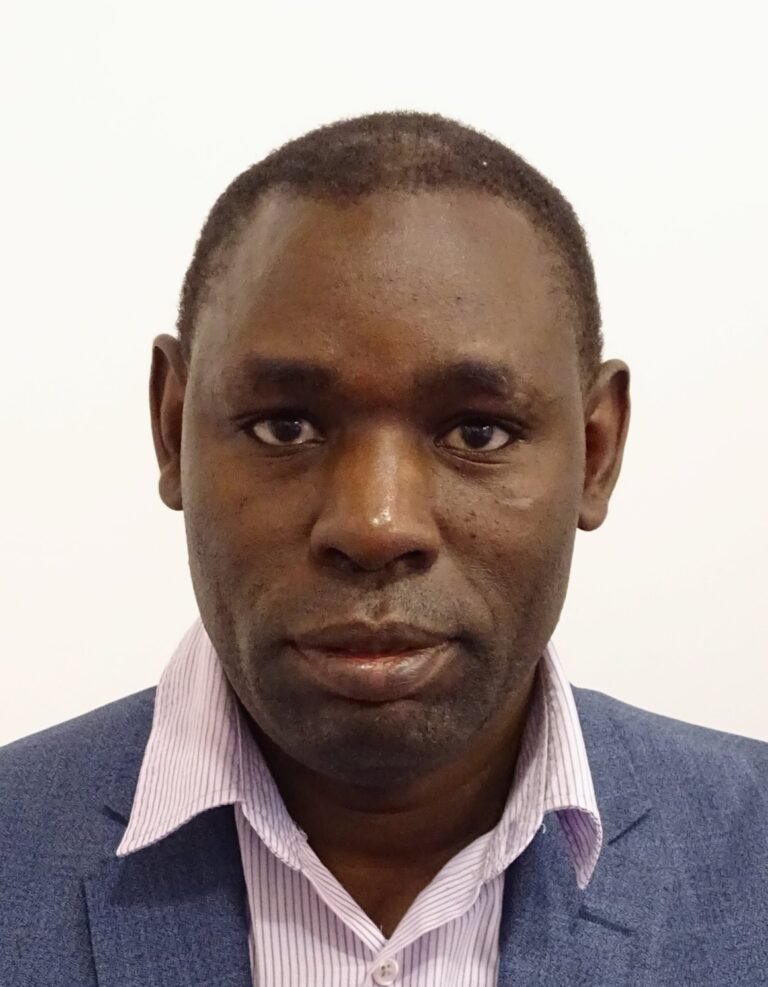
Mahamuda Abu is a Senior Lecturer in the Department of Geological Engineering in the School of Engineering at the University for Development Studies, Tamale, Ghana. His research covers aspects of Earth science, including sedimentology, mineral exploration, hydrocarbons, trace elements in soils, groundwater quality and its health implications, and machine learning applications to geo-resources characterization. Abu has conducted groundbreaking scientific research and authored numerous papers published in reputable peer-reviewed journals in the earth sciences.