About Rome, Italy
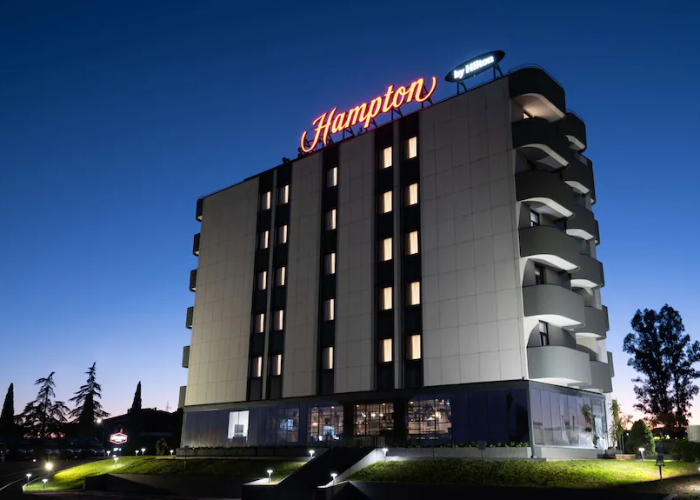
Venue: Hampton By Hilton Rome North Fiano Romano
Address: Località Bei Poggi, 00065 Fiano Romano RM, Italy
Rome, Italy, is one of the world’s most iconic cities, renowned for its rich history, cultural heritage, and growing prominence in healthcare, medical education, and scientific research. As a major European center for academic excellence and clinical advancement, Rome attracts researchers, clinicians, academicians, and industry professionals from around the globe. The city offers a unique blend of ancient history and modern infrastructure, making it an exceptional destination for hosting international scientific and medical conferences. Rome’s commitment to research, innovation, and interdisciplinary collaboration aligns seamlessly with the objectives of global conferences in healthcare, life sciences, and biomedical research. During the conference period in November, Rome experiences a pleasant autumn climate, with average temperatures ranging between twelve degrees Celsius and eighteen degrees Celsius. The mild weather, comfortable atmosphere, and scenic surroundings create an ideal environment for attending scientific sessions, engaging in networking activities, and exploring the city. This season allows delegates to enjoy Rome’s charm while maintaining a focused, productive, and enriching conference experience.
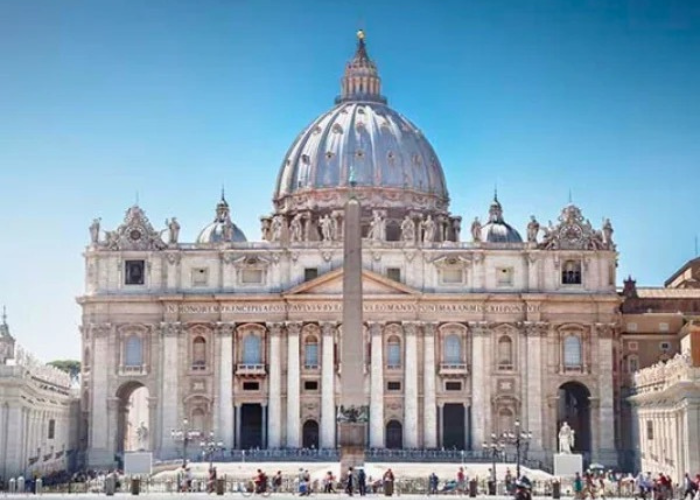
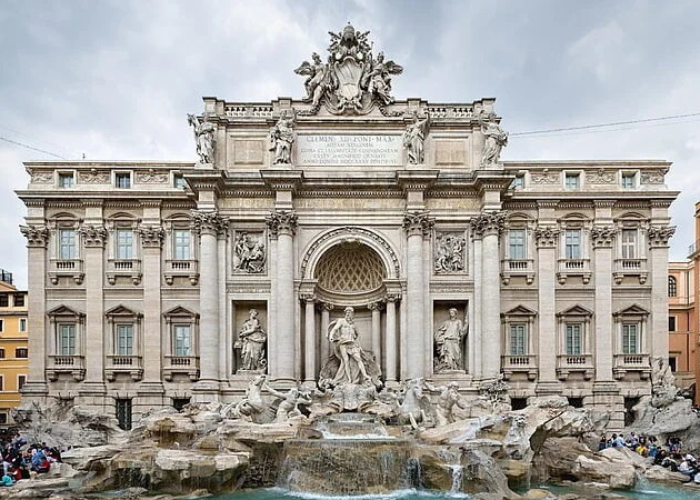
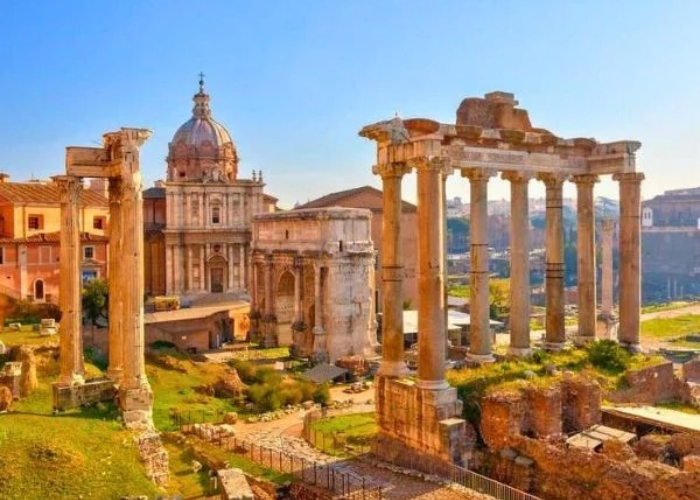
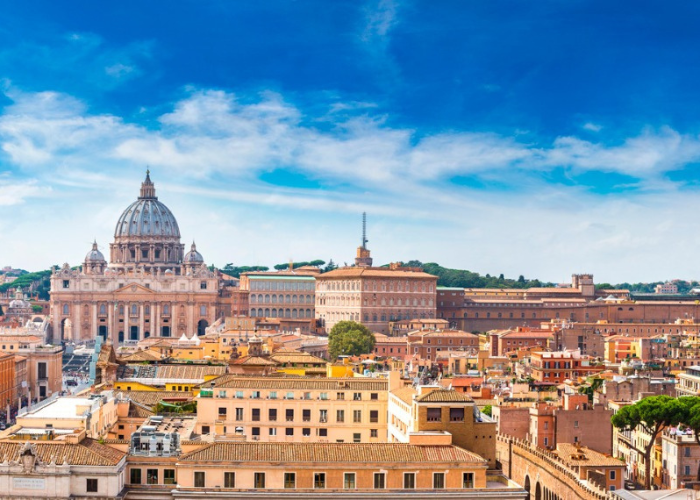
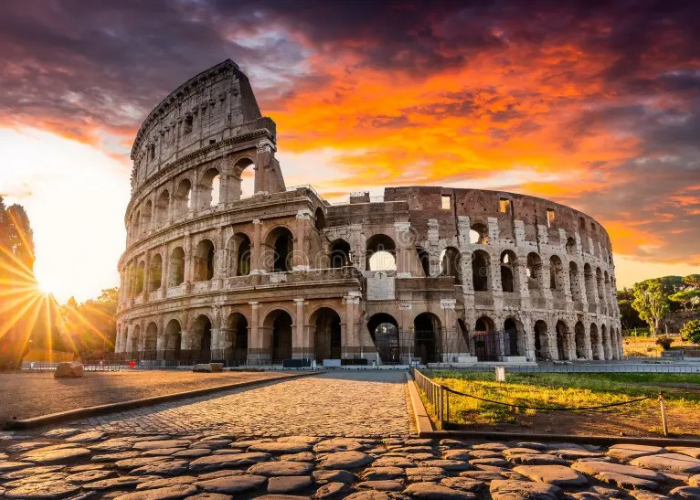
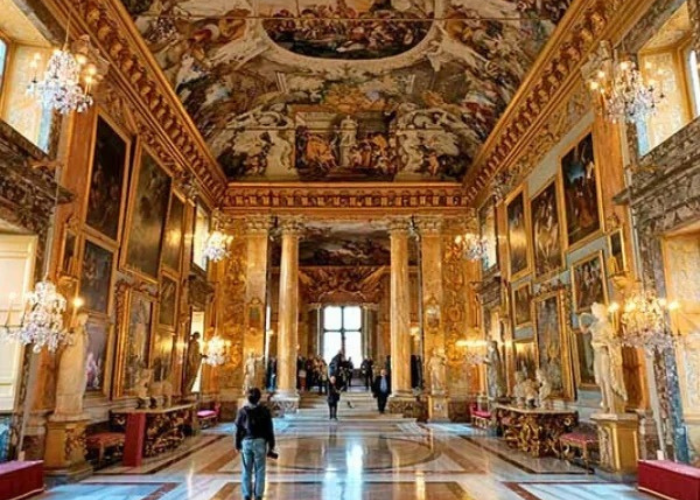
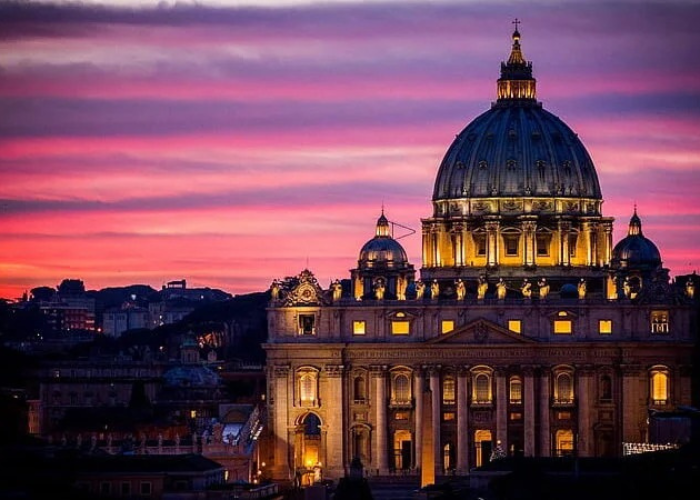
Rome is home to several prestigious universities and research institutions, including Sapienza University of Rome, University of Rome Tor Vergata, Roma Tre University, and leading teaching hospitals and research centers. These institutions play a vital role in advancing medical research, clinical innovation, and healthcare education. The city’s strong academic and research ecosystem provides an inspiring setting for knowledge exchange, professional collaboration, and scientific advancement during international conferences. Beyond its academic and scientific strengths, Rome offers an unparalleled cultural and sightseeing experience. Delegates can explore world-famous landmarks such as the Colosseum, Roman Forum, Pantheon, Trevi Fountain, Vatican City, and St. Peter’s Basilica. The city’s museums, art galleries, historic neighborhoods, and renowned Italian cuisine add exceptional value to the conference experience, allowing participants to relax, connect with colleagues, and immerse themselves in Rome’s timeless cultural richness.
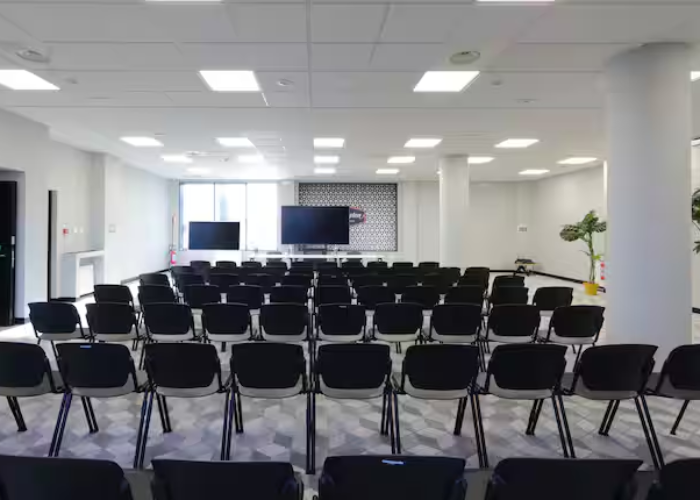
Rome is highly accessible for international travelers. The city is served by two major airports, Leonardo da Vinci–Fiumicino Airport and Ciampino Airport, offering direct connections to major cities across Europe, Asia, the Americas, and the Middle East. Both airports are well connected to the city center through trains, buses, taxis, and ride-sharing services, ensuring smooth travel for international delegates. Rome also features an extensive public transportation network, including metro lines, buses, and trams, providing easy access to conference venues, hotels, academic institutions, and key attractions. With modern conference facilities, excellent global connectivity, a safe and welcoming environment, and a vibrant international atmosphere, Rome ensures a seamless and rewarding experience for conference participants. Attending a conference in Rome offers more than academic and professional enrichment—it provides an unforgettable journey that combines scientific learning, global networking, cultural exploration, and personal inspiration in one of the world’s most historic and captivating cities.