About Berlin, Germany
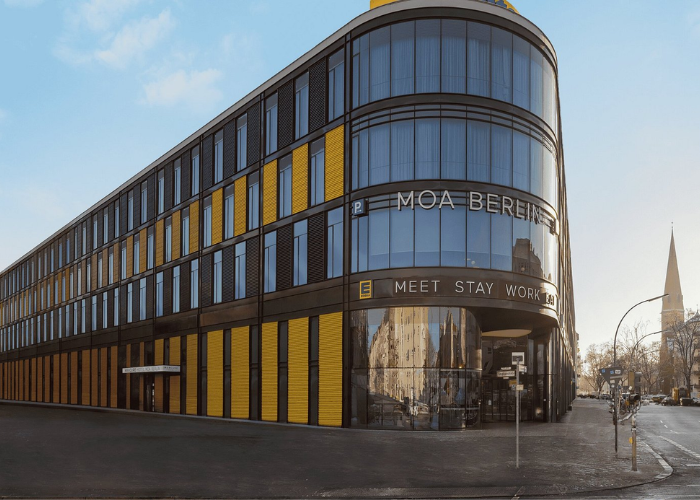
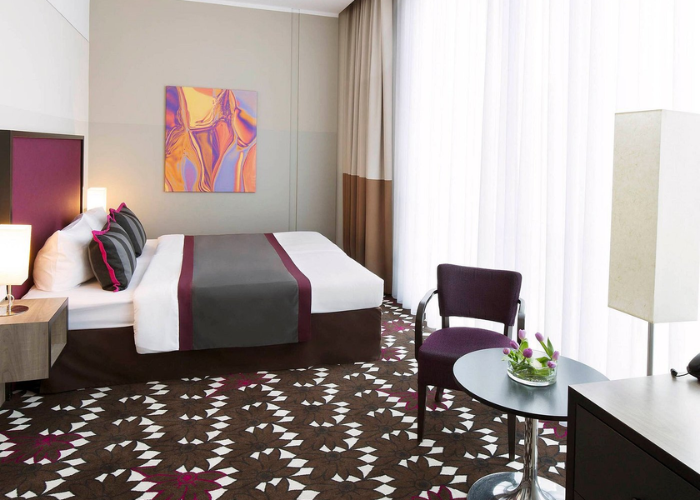
Venue: Mercure Hotel MOA Berlin
Address: Stephanstraße 41, 10559 Berlin, Germany
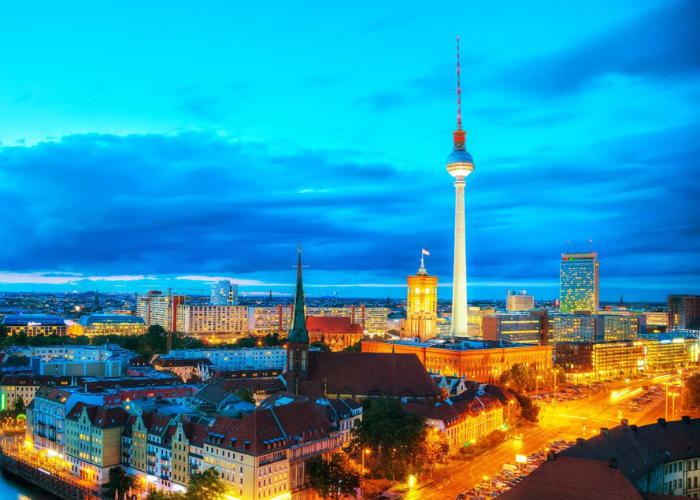
Berlin, the capital of Germany, is one of Europe’s most influential and respected cities, widely recognized for its excellence in scientific research, medical innovation, biotechnology, and public health. As a major international center for academic and clinical advancement, Berlin attracts researchers, clinicians, academicians, policymakers, and industry professionals from across the globe. The city offers a unique blend of historical significance and modern infrastructure, making it an ideal destination for hosting international scientific and healthcare conferences. Its strong emphasis on research, technology, and interdisciplinary collaboration aligns closely with the objectives of conferences in bacteriology, infectious diseases, microbiology, and global health. During the conference dates in June, Berlin enjoys mild early-summer weather, with average temperatures ranging between eighteen and twenty-five degrees Celsius. This pleasant climate creates a welcoming atmosphere for attending scientific sessions, networking, and outdoor exploration while maintaining a productive and engaging conference schedule.
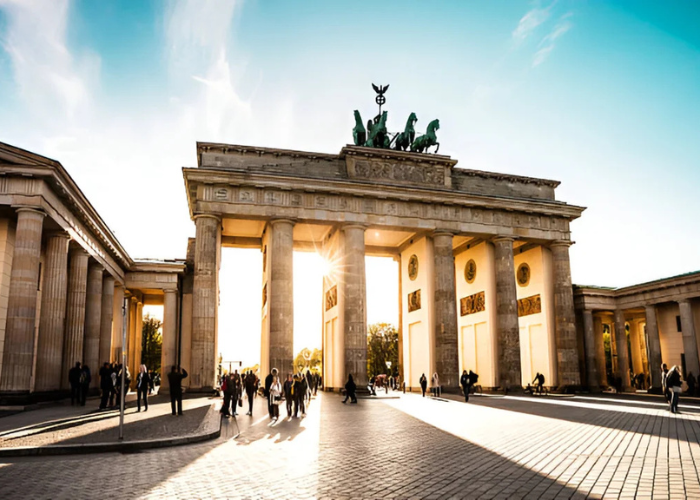
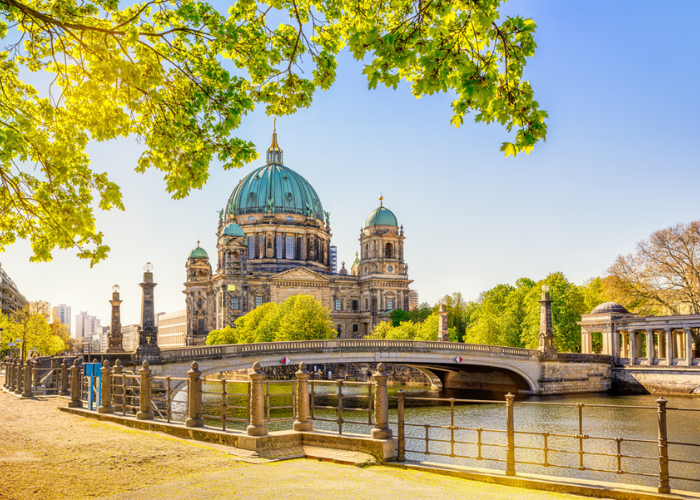
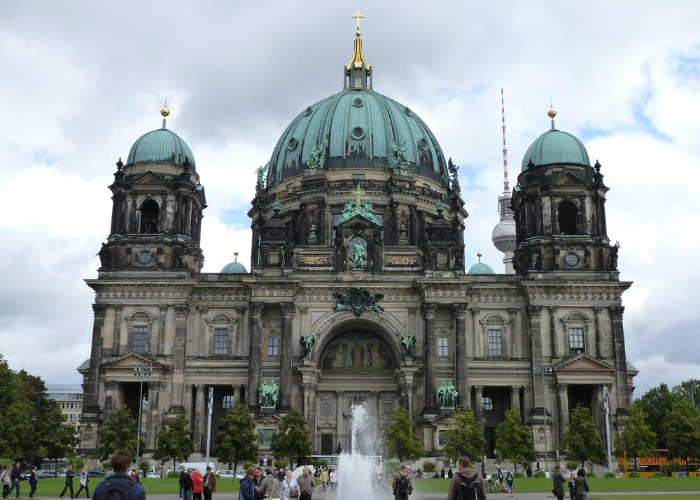
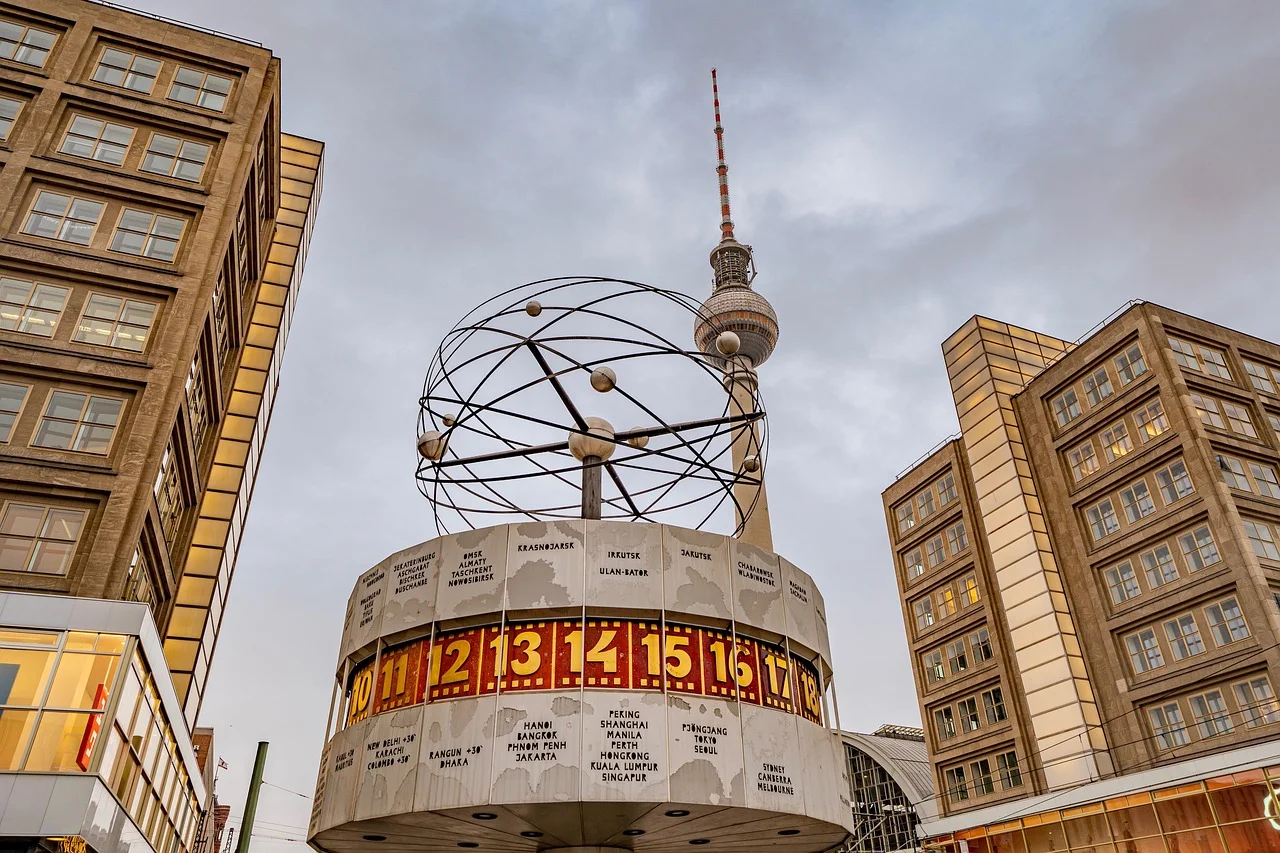
Berlin is home to several prestigious universities, hospitals, and research institutions, including Humboldt University, Charité – Universitätsmedizin Berlin, Freie Universität Berlin, the Max Planck Institute, and the Helmholtz Association research centers. These institutions play a major role in advancing biomedical research, infectious disease surveillance, microbiology, molecular science, vaccine development, and public health innovation. Berlin’s strong academic and research ecosystem provides an inspiring environment for knowledge exchange, collaborative partnerships, and professional development during international conferences. Beyond its academic excellence, the city offers a rich cultural and sightseeing experience. Delegates can visit iconic landmarks such as the Brandenburg Gate, the Berlin Cathedral, Museum Island, the Berlin Wall Memorial, Alexanderplatz, and Checkpoint Charlie. Vibrant neighborhoods like Kreuzberg, Mitte, and Prenzlauer Berg, along with museums, art galleries, music venues, and diverse German and international cuisine, add cultural depth and recreational value to the conference experience.
Berlin is one of Europe’s most accessible and well-connected cities for international travel. The city is served by Berlin Brandenburg Airport (BER), with direct flights linking major destinations across Europe, Asia, the Middle East, Africa, and the Americas. The airport is well connected to the city through trains, buses, taxis, and ride-sharing services, ensuring smooth and convenient travel for international delegates. Berlin’s local transportation system is efficient, reliable, and easy to navigate, consisting of the U-Bahn, S-Bahn, trams, buses, and regional trains that provide quick access to conference venues, hotels, universities, and key attractions. Taxis, app-based mobility services, and bicycle-sharing programs offer additional flexibility, enabling delegates to navigate the city comfortably and efficiently.
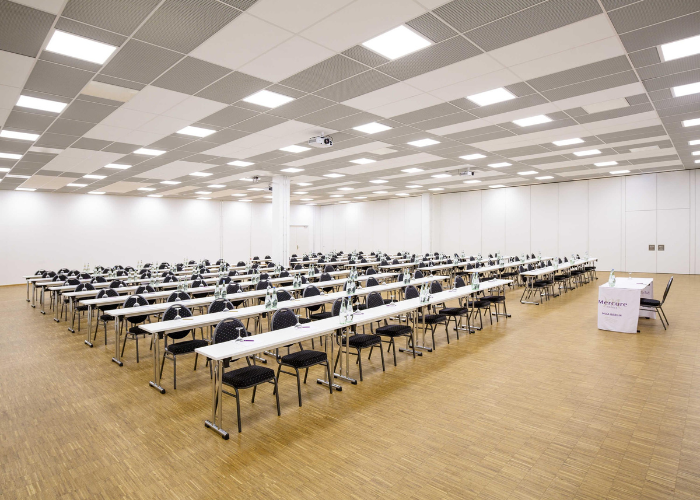
With modern conference facilities, strong international connectivity, a safe and welcoming atmosphere, and a thriving scientific and cultural environment, Berlin ensures a rewarding and immersive experience for conference participants. Attending a conference in Berlin offers more than academic and professional benefits; it provides an opportunity to engage in scientific learning, global networking, historical exploration, and cultural enrichment in one of Europe’s most vibrant and intellectually stimulating cities.