Abstract
Scientific efforts that had been taken for last decades undoubtedly proved that algae are an inestimable and what is more important nowadays, renewable source of hundreds of chemical compounds having many biological activities, including polysaccharides, phenolic compounds and their derivatives, pigments, proteins, lipids and fatty acids. Substances isolated from seaweeds could be used as ingredients in many branches of industry including pharmaceutical one [1].
Algae are a convenient source of biomass due to rapid growth and relatively high ability to bind carbon dioxide. Climate changes and human activities have contributed to the rapid growth of algae in inland water reservoirs and in the seas. Currently, algae as organisms forming biomass in the process of photosynthesis have become one of the most promising cheap raw materials for industry and renewable source of energy and especially in agriculture.
Such interesting organic compounds like phytohormones or plant growth promoters, can be isolated from the biomass of algae by different extraction methods. These compounds have a significant impact as essential plant growth and development regulators, influencing processes from seed germination to fruit ripening [2]. Until now, biologically active compounds were extracted from the biomass of algae by conventional solvent extraction. In this method a large amount of organic solvents, mostly expensive and toxic, is used. Therefore, supercritical fluid extraction (SFE) is used as an alternative method.
[1] Algae Biomass: Chracteristics and Applications.
- Chojnacka, P. P. Wieczorek, G. Schroeder and I. Michalak Eds.,
Springer Nature 2018,
[2] I. Ben Hammouda, K. Pokajewicz, B. Messyasz, B. Łęska, R. Pankiewicz,
- P. Wieczorek, Plants, 2026, 16(9), 1397
Biography
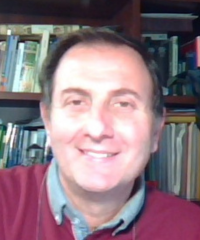
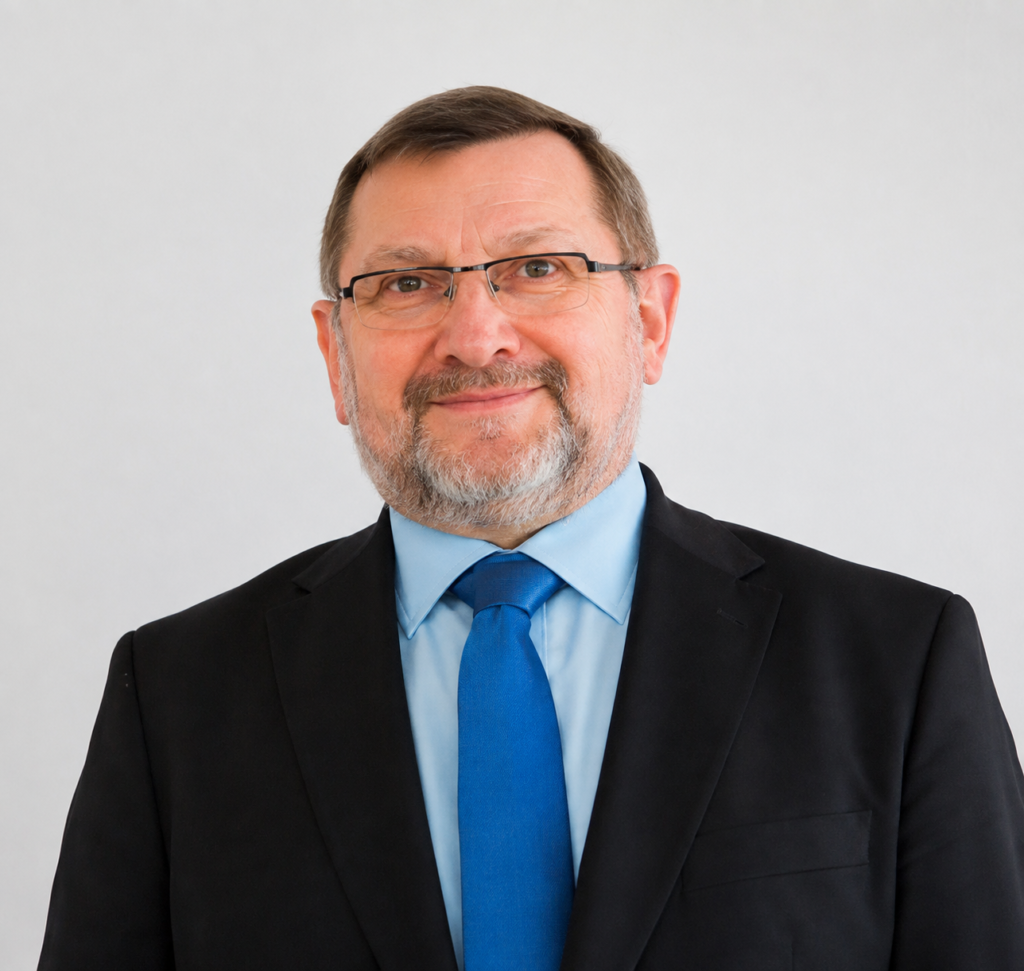
Wieczorek P. P> has completed his PhD at the age of 28 years from Wrocław University of Technology. Get a position Visiting researcher in Lund University and docent in Technical University of Munich. He is the Head of Analytical Chemistry Department University of Opole, a premier Bio-Soft service organization. He has published more than 200 papers in reputed journals, 7 patents and 6 students books and has been serving as an editorial board member of repute. He is member of Commetee of Chemistry and Commetee of Analytical Chemistry Polish Academy of Sciences.